
I still remember the exact moment the seed was planted.
In 2014, while on leave after my daughter was born, I was running a mentoring program for children living in poverty. Many of the kids were wearing fiberglass casts from domestic violence injuries or playground accidents. The casts were dirty and smelled terrible. They could not shower properly, wash their hands before eating, or maintain basic hygiene.
These were not isolated situations. This was everyday life for children already facing difficult circumstances.
That experience revealed a larger problem. Millions of people around the world still endure major lifestyle restrictions because fracture casting methods have barely changed since the nineteenth century. Wet fabric is wrapped around the limb, hardened, and eventually cut off with a saw.
As a chemical engineer, I knew this approach was outdated and solvable. That realization eventually led to ActivArmor.
Today we create custom 3D printed casts designed to be waterproof, breathable, and sanitizable. Patients can shower, swim, exercise, and maintain normal routines while healing. Athletes train in them. Children can do what children do best, and basic hygiene becomes possible again.
But this story is not about the product. It is about the journey behind it and the lessons learned after leaving a comfortable corporate career to pursue an uncertain idea.
Growing up, I spent many hours in Children’s Hospital while my brother battled and ultimately passed away from cystic fibrosis. I saw how children adapted to medical devices that restricted their lives.
Later I earned degrees in Chemical Engineering and business from the Colorado School of Mines and Colorado State University. I built a career in engineering and software at Fortune 500 companies.
Yet the experience with those kids in casts stayed with me.
My background in materials science, advanced manufacturing, and software kept pushing me toward one question.
Why are we still doing this the same way?
Moving fracture care from analog casting to digital design and manufacturing turned out to be complex. The barriers included technology development, regulatory requirements, insurance reimbursement, clinical workflow integration, and cultural resistance within orthopedic medicine.
Still, after providing early prototypes to physicians, their reaction was immediate.
“Can you make more?”
That question changed everything.
I left my job, cashed out my 401(k), and invested everything into building the company. The early years were difficult. I lived frugally, borrowed where necessary, and worked nights and weekends.
Some people believed the idea was unrealistic. At times I wondered the same thing. But I woke up each morning with a sense of purpose I had never felt in corporate life.
Looking back, several lessons stand out.
Lesson 1: The problem finds you
I did not set out to start a medical device company. I simply wanted to stop kids from suffering through outdated treatment.
The idea did not come from market research or financial modeling. It came from seeing a problem that felt impossible to ignore.
Often your advantage comes from the combination of your experiences. In my case that included engineering, growing up around hospitals, parenting, and mentoring vulnerable children.
That perspective allowed me to question what others accepted as normal.
If a problem keeps bothering you long after you leave it, it is usually worth paying attention to.
Lesson 2: Commitment forces progress
There was no safety net and no investors waiting for a concept.
There was limited savings, a mortgage, and the decision to move forward.
The early years involved work that many founders never anticipate. FDA registration. Biocompatibility testing. Patent filings. Manufacturing development. Clinical pilots. Contract negotiations.
I assembled an advisory board of orthopedic surgeons and sports medicine specialists. One member happened to be the team physician for the NFL Jacksonville Jaguars.
The learning curve was steep. I had to understand regulatory affairs, reimbursement models, clinician adoption, and fundraising while continuing to build the company itself.
When you commit fully, you accept that you will often be working outside your expertise. Progress depends on learning quickly and using every available resource.
Lesson 3: Adaptability matters more than planning
COVID nearly halted the company.
Hospitals restricted vendor access, which eliminated our entire sales pipeline overnight.
Instead of waiting for conditions to improve, we pivoted.
Our team developed transparent respirator masks for first responders. We also launched a smartphone based 3D scanning app so clinicians could easily order devices without specialized equipment.
Our waterproof and sanitizable casts suddenly became highly relevant during a global hygiene crisis.
Plans rarely survive reality. What matters is how quickly you adapt.
Lesson 4: Mission creates momentum
Fracture care represents a global market worth more than twenty billion dollars. It is also an industry shaped by habit and convenience.
Hospitals move slowly. Doctors are cautious. Insurance companies focus on cost.
But a clear mission changes conversations.
When an athlete insists on wearing the device during competition, people pay attention.
When parents say their child regained a normal summer, physicians notice.
Today, the technology is used in U.S. military and civilian hospitals and clinics across the United States and internationally, supporting thousands of patients during their recovery.
Solving a real problem creates advocates.
Lesson 5: Protect your energy
Entrepreneurship tests every relationship, including the one you have with yourself.
Early employees sometimes cannot grow with the company. Fundraising cycles are exhausting. Responsibility for customers, staff, investors, and regulators never disappears.
There are days when being on the defense feels like the entire job!
When that happens, I step away for a few hours and reset. Then I spend time with my kiddo and my dogs at the beach.
Seeing kids still enjoying life, people returning to work, training in their sport, or simply showering and washing their hands reminds me why we started.
That reminder resets everything for me.
Looking Forward
ActivArmor continues to advance digital casting technology.
A patient’s arm can be scanned in seconds using a smartphone. Software designs a cast customized to their anatomy and lifestyle. The device can be printed at the Point of Care, in the clinic, in recyclable ABS plastic and fits like a lightweight exoskeleton.
We are also exploring integrations with bone and muscle stimulation technologies and biosensors that could track healing progress in real time.
Medical wearables should help patients live normally while recovering.
My advice to anyone building something new is simple.
Pay attention to the problems that stay with you long after you first notice them.
Stay focused on the mission and remain flexible in how you pursue it.
Progress usually begins when someone questions what everyone else accepts as normal.
About Author:
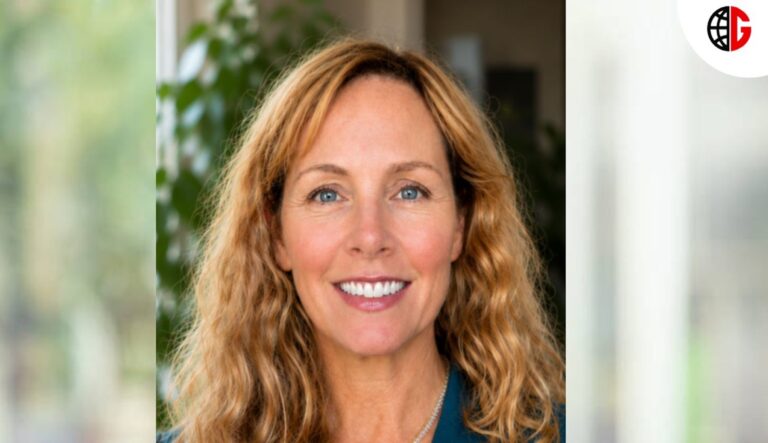
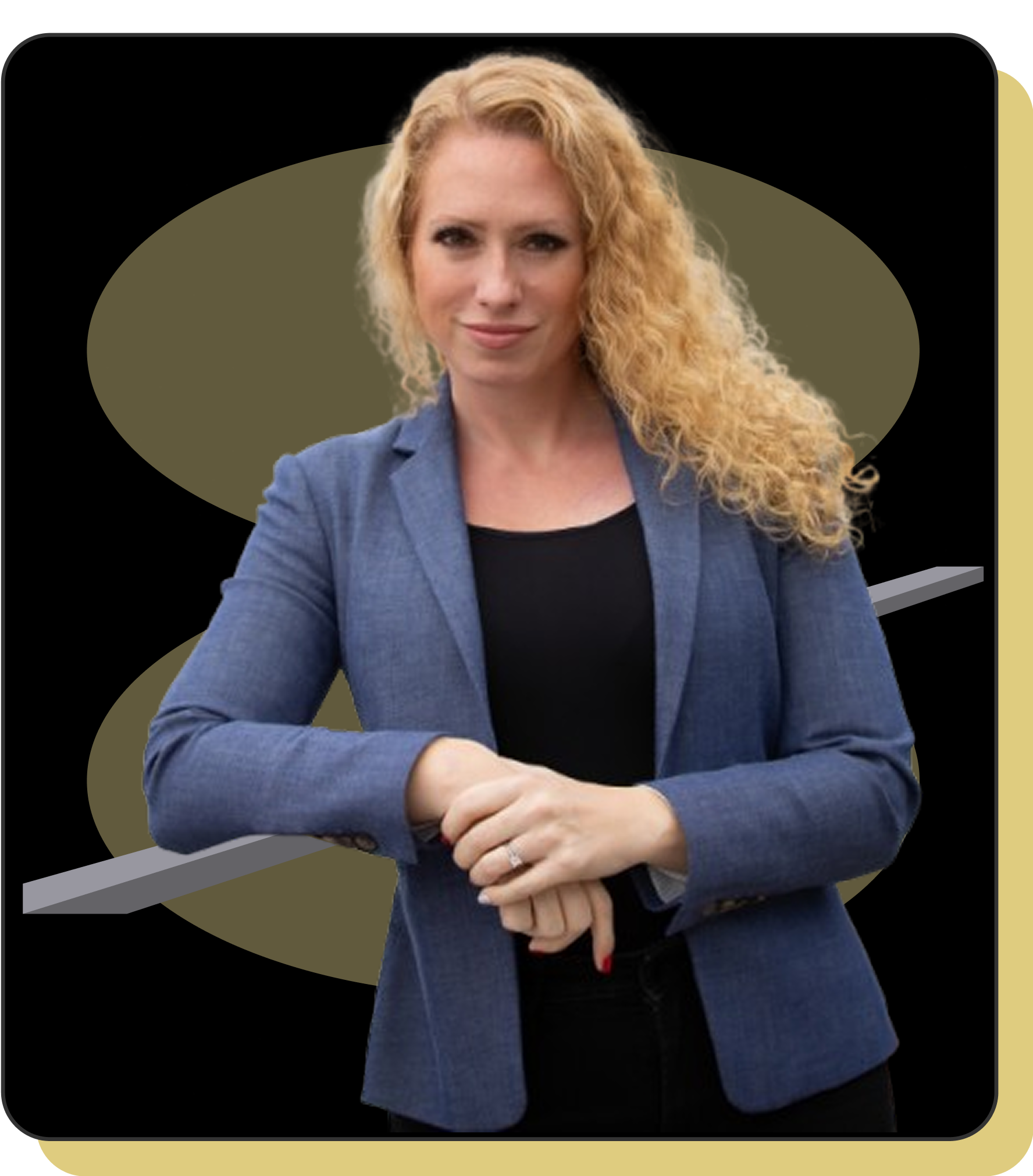
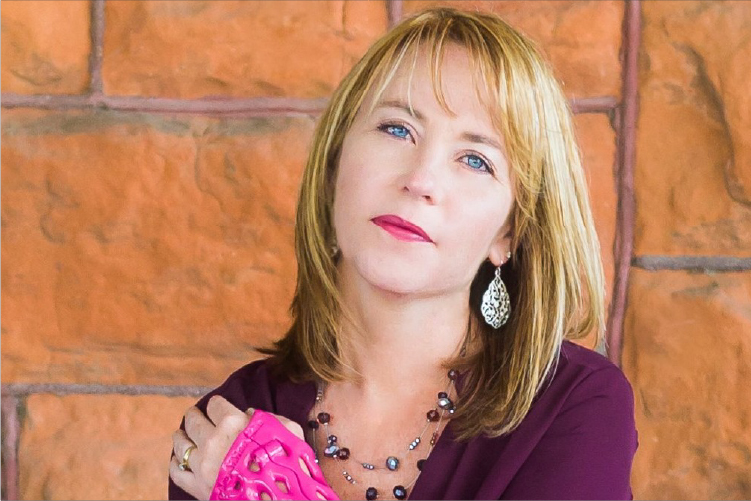
Diana Hall is the inventor, Founder and CEO of ActivArmor, the first hygienic, waterproof, custom 3D‑printed casting and splinting system deployed across the U.S. and in growing international markets. A Chemical Engineering graduate of Colorado School of Mines with an MBA from Colorado State University, she brings Fortune 500 software and process‑engineering experience to digital orthopedics and point‑of‑care 3D printing. Over the past 11 years, she has led ActivArmor from R&D to commercial deployment in clinics and hospitals worldwide, delivering a scan‑to‑cast platform that lets patients shower, swim, and stay active while they heal. Recognized as Colorado Manufacturing Woman of the Year and one of the most influential women in 3D printing, Diana is widely regarded as a pioneer in patient‑centric, activity‑compatible immobilization.
Read more similar articles: The Builder CEO: Marne Martin’s Blueprint for Scalable Innovation at Emburse