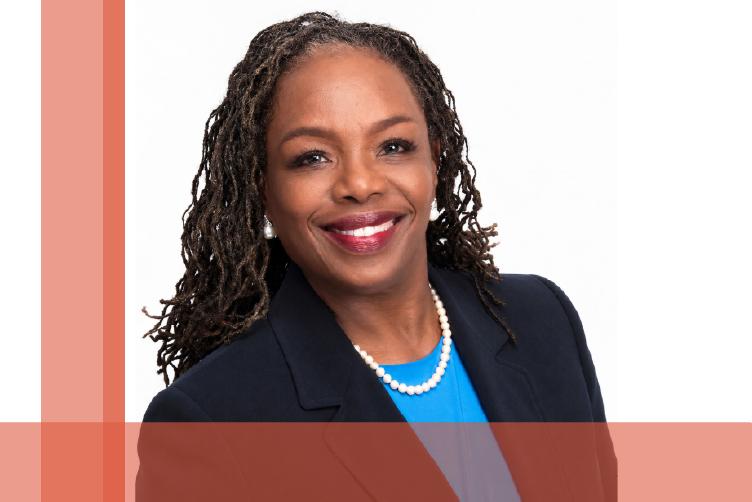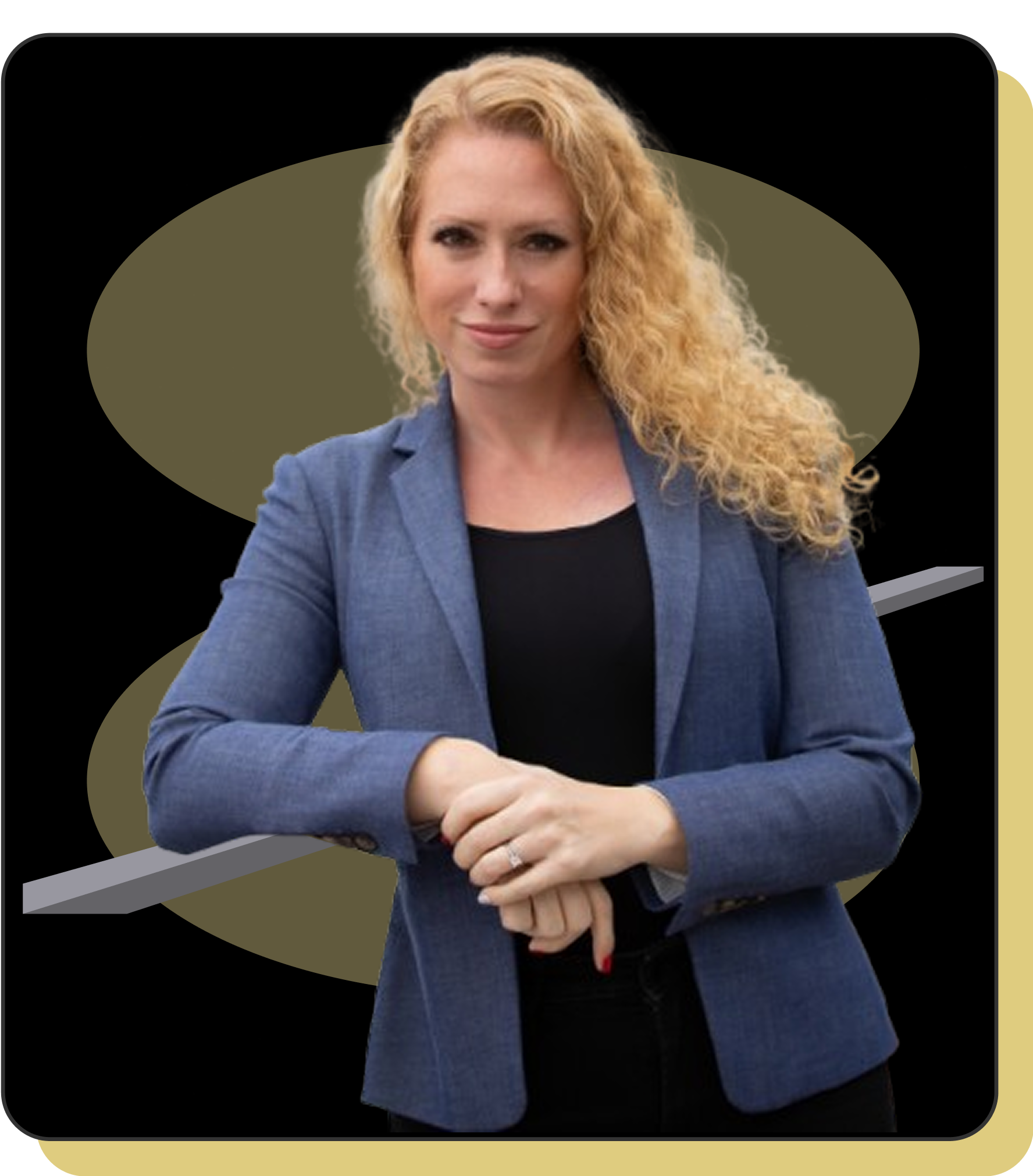

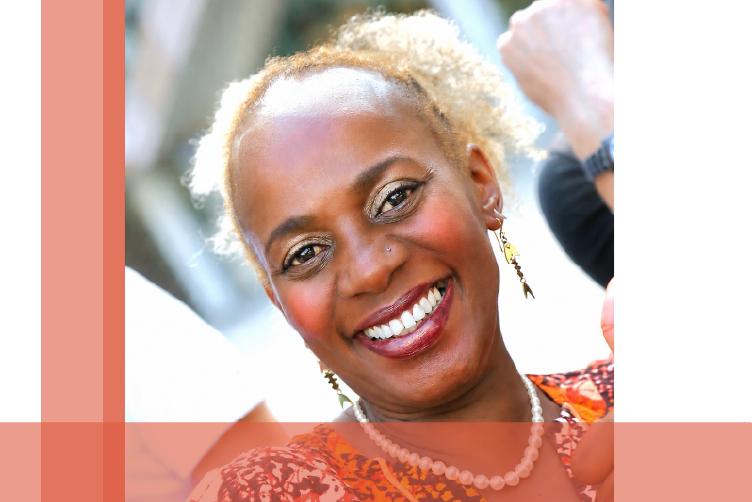
By Mwende Mbevi
There is a profound difference between being recognized and being empowered.
Recognition can open doors, celebrate achievement, and illuminate contributions that have long been overlooked. But recognition alone does not guarantee access to opportunity, participation in decision-making, or the ability to shape one’s future.
I have come to believe that one of the most important questions facing our generation of leaders is not simply who receives recognition, but what becomes possible afterward.
Who gains access? Who participates in decisions? Who benefits from the resources being mobilized? And what remains when the applause has faded?
These questions sit at the heart of my work.
Dignity Must Be More Than an Aspiration
Dignity is an inherent human right. Yet dignity must also be reflected in the systems, institutions, and opportunities that shape everyday life.
An elder may possess extraordinary wisdom, yet find few opportunities to share it. A young African innovator may have a transformative solution but lack access to capital. A highly accomplished member of the African diaspora may receive international recognition while remaining excluded from consequential decisions.
These are not simply individual challenges. They reveal gaps in the infrastructure of opportunity.
Through Seriana Foundation, I am advancing a vision of development in which dignity is not treated as a charitable outcome, but as a foundational principle.
Dignity-centered development means creating conditions in which people are seen, heard, respected, and equipped to contribute meaningfully to their communities and economies.
It means building systems that enable people to exercise agency over their futures.
From Recognition to Measurable Transformation
We live in an age of extraordinary visibility. Technology has expanded professional networks, democratized storytelling, and connected communities across borders.
Yet visibility and influence are not synonymous.
This conviction resonates with the United Nations Durban Declaration and Programme of Action and the First and Second International Decades for People of African Descent.
The Second International Decade (2025–2034), guided by recognition, justice, and development, reinforces the need to confront systemic exclusion and translate international commitments into meaningful progress.
But declarations must ultimately find expression in people’s lived realities.
My understanding of this responsibility was shaped through 15 years of nonprofit leadership in Africa.
Every year, alongside a dedicated professional team, I had the privilege of supporting 50 new students selected from some of Kenya’s most disadvantaged families. Over 15 years, approximately 750 young people received opportunities to pursue secondary education, university studies, and pathways toward employment.
These students came from communities across Kenya, bringing different experiences but sharing a common need for opportunity.
We recognized that educating a child, while transformative, was only part of the solution. Sustainable progress required strengthening the economic circumstances of the families raising these children.
Each student was therefore connected to a parent, caregiver, or grandparent who established a community economic empowerment group, generally bringing together approximately 15 women.
Every group received an initial contribution of US$1,000 to support income-generating activities and strengthen household livelihoods.
Over 15 years, this model supported approximately 750 groups, representing an estimated 11,250 group participation places across Kenya.
These numbers represent more than financial investment. They represent opportunities for women to strengthen their economic independence, families to pursue greater stability, and children to imagine futures beyond the circumstances into which they were born.
None of this was accomplished alone.
I worked alongside a committed, highly professional team whose dedication, expertise, and belief in the communities we served made sustained impact possible. Equally important were the parents, caregivers, and women who organized themselves and took ownership of their economic futures.
A widely shared saying captures this beautifully:
“If you want to go fast, go alone. If you want to go far, go together.”
Those 15 years taught me that lasting transformation is collective. Leadership creates the conditions for people to succeed together.
This experience continues to shape the institutional vision I am building through Seriana Foundation.
Africa Must Help Shape the Future
I was born and raised in Kenya, and my understanding of Africa extends far beyond narratives of scarcity and dependency.
I know a continent rich in human ingenuity, cultural intelligence, entrepreneurial energy, and extraordinary possibilities.
Africa’s future should not be defined exclusively by the challenges it must overcome, but by the contributions it can make to a changing world.
As global economic relationships evolve, Africa must increasingly be engaged as a strategic partner in innovation, technology, trade, climate resilience, and institutional development.
Meaningful partnership recognizes the knowledge, agency, and capabilities already present within African communities.
Living in Canada has strengthened my conviction that the African diaspora can help advance this transformation.
Canada and African nations have opportunities to deepen cooperation across education, entrepreneurship, ethical artificial intelligence, investment, and sustainable development.
The diaspora can help bridge these relationships through intentional ecosystems connecting institutions, expertise, ideas, and capital.
Initiatives such as The Most Influential People of African Descent (MIPAD) demonstrate the value of recognizing African-descended excellence. The greater opportunity is ensuring that visibility translates into sustained collaboration, institutional access, and collective advancement.
I envision diaspora engagement becoming essential economic and institutional infrastructure, rather than an occasional cultural or ceremonial activity.
Preserving Legacy Is Also Development
Another deeply meaningful expression of my work is Seniors Legacy, an initiative dedicated to preserving personal histories, wisdom, and intergenerational memory.
There is something profoundly moving about sitting with an elder and listening to the stories that have shaped their life.
For me, these moments feel like home.
They reconnect me to the African traditions through which our grandparents passed down wisdom, identity, values, and belonging.
Storytelling is not something we invented. It is one of humanity’s oldest ways of preserving knowledge across generations.
Through Seniors Legacy, I am helping carry that inheritance forward using contemporary publishing and archival approaches.
I have witnessed the joy that comes when someone’s memories are treated as worthy of preservation. The process is about more than producing a beautiful book. It affirms that a life has meaning and that its lessons deserve to travel beyond the present generation.
This work has expanded my understanding of wealth.
We often measure wealth through financial assets and economic productivity. Yet communities also possess extraordinary cultural, historical, and relational wealth.
When those stories disappear, something irreplaceable is lost.
In multicultural societies such as Canada, preserving the experiences of elders and immigrant communities strengthens our understanding of identity, belonging, and shared history.
We are not inventing intergenerational storytelling. We are accepting responsibility for ensuring that this ancient inheritance survives in a rapidly changing world.
Leadership Must Be Measured by What Remains
My journey across countries, communities, and seasons of personal reinvention has taught me that meaningful leadership is rarely a straight line.
It requires rebuilding, learning, adapting, and believing in possibilities that are not yet visible.
These experiences have changed how I define success.
I am increasingly less interested in leadership measured solely by titles, proximity to power, or recognition.
I am interested in what leadership makes possible for others.
Did we create access where barriers existed? Did we strengthen an institution? Did we connect people who could accomplish more together? Did we preserve something valuable for future generations?
And will our work continue creating value beyond our immediate involvement?
As artificial intelligence reshapes economies and institutions, these questions become even more urgent.
Technological progress without ethical responsibility risks reinforcing existing inequalities. Innovation must be accompanied by governance, inclusion, and a genuine commitment to human dignity.
The future will be shaped not only by technology, but by the values determining who benefits from it.
Building What the Next Generation Will Inherit
I believe we are living through a consequential period of global transformation.
The decisions we make today about development, technology, international cooperation, and institutional leadership will shape opportunities for generations we may never meet.
My aspiration is to contribute to institutions and ecosystems that outlive individual personalities, connect communities across borders, and expand possibilities for others.
I want the stories of our elders preserved, the brilliance of our young people supported, and the contributions of Africa and its diaspora reflected in decisions shaping our collective future.
Above all, I want dignity to become something people experience through the opportunities, relationships, and institutions around them.
Recognition has its place. Visibility has its value. Influence carries tremendous potential.
But the ultimate measure of leadership is not how brightly we shine.
It is how much more becomes possible for others because we chose to build.
And that, to me, is the legacy worth pursuing.
About the Author:
Mwende Mbevi is a Kenyan-born, Canada-based social impact leader, institution builder, and Founder of Seriana Foundation, bringing more than 25 years of senior-level nonprofit leadership experience across Africa and Canada.
Her work is grounded in a conviction that dignity must be more than a principle; it must be experienced through access, opportunity, belonging, and meaningful participation. Through Seriana Foundation, she is advancing a vision of dignity-centered development that connects communities, institutions, innovation, and resources across Canada and Africa.
Her commitment to what she calls the architecture of dignity spans generations and sectors. From creating welcoming spaces for children with diverse needs in Sunday School to preserving elders’ wisdom through Seniors Legacy, and from women’s economic empowerment to building strategic relationships through Purpose Driven Transformation and Immigrant Women in Business, Mwende sees each initiative as part of a larger human story.
A passionate advocate for African agency, diaspora collaboration, and intergenerational legacy, she believes that meaningful leadership is measured not by recognition alone, but by the opportunities, institutions, and possibilities we leave for others.
Founder, Seriana Foundation
www.serianafoundation.com
Read more: The Leadership Visibility Gap: Why Competence Alone Is Not Enough for Women to Advance