

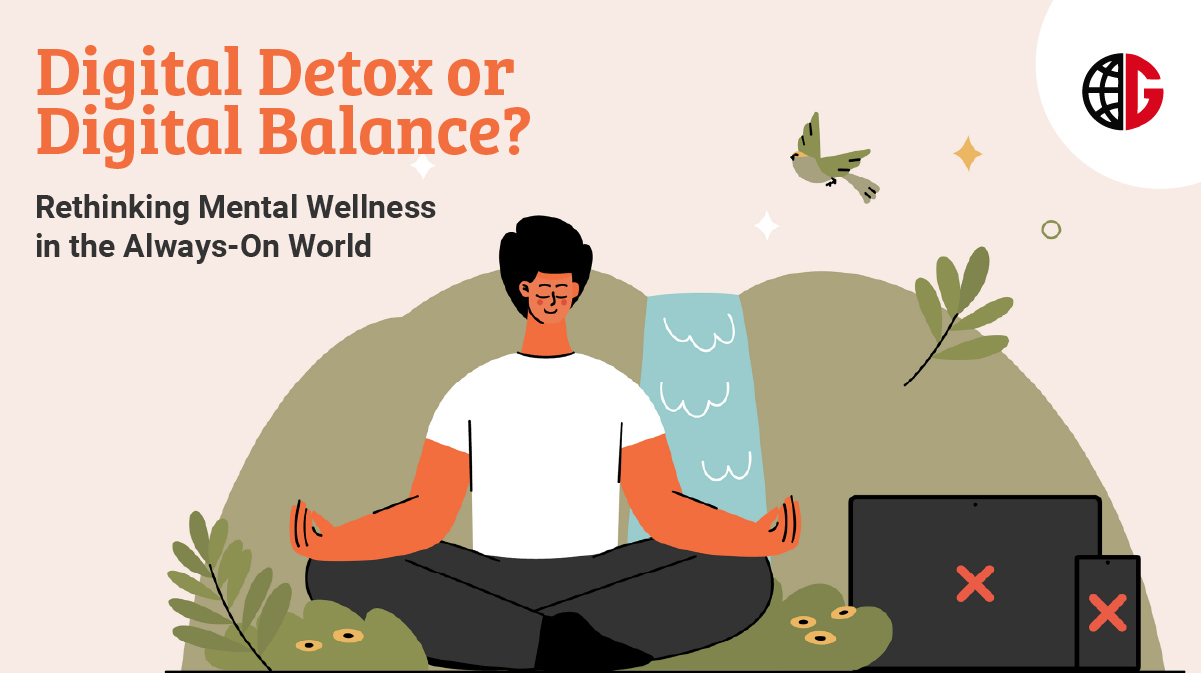
We wake up to notifications, work through screens, unwind with streaming platforms, and fall asleep scrolling. In today’s hyperconnected world, being “offline” almost feels unnatural. Yet, as screen time quietly stretches into double digits each day, a pressing question emerges: Do we need a digital detox—or is digital balance the smarter solution for long-term mental wellness?
The answer isn’t as extreme as switching off forever. Instead, it lies in reshaping how we coexist with technology.
The Always-On Era and Its Hidden Mental Cost
Smartphones, laptops, and tablets have made life more efficient—but also more demanding. We are constantly reachable, endlessly informed, and perpetually distracted. Many people feel a subtle guilt after hours of screen time, while parents worry about how digital exposure is shaping their children’s behavior, sleep patterns, and emotional regulation.
If you remember a time when dinners were uninterrupted by phones or when conversations didn’t compete with notifications, you’re not alone. For many, especially those who grew up before the digital boom, the 24/7 online culture can feel mentally exhausting.
While research on digital wellness is still evolving, early findings are sobering. Excessive screen time has been linked to insomnia, anxiety, reduced attention span, and addictive behavioral patterns—particularly in children and adolescents.
Yet, despite the risks, technology is no longer optional. From remote work and online education to digital entrepreneurship and social connectivity, modern life depends on being connected.
So how do we protect our mental health without disconnecting from reality?
Digital Detox: A Reset, Not a Lifestyle
A digital detox typically involves stepping away from devices entirely—sometimes for a day, a weekend, or even weeks. For many, this can feel refreshing and liberating.
Benefits of a Digital Detox
- Temporary relief from information overload
- Improved sleep quality
- Greater presence in real-world interactions
- Reduced stress and mental fatigue
However, a full detox often works like a reset button rather than a permanent solution. Once devices are reintroduced, old habits tend to return quickly—especially when work and daily responsibilities demand constant connectivity.
That’s why experts increasingly view digital detoxing as a short-term intervention, not a long-term lifestyle.
Digital Balance: A Sustainable Approach to Mental Wellness
Instead of rejecting technology outright, digital balance focuses on intentional, mindful usage. The goal is simple: make technology serve your life—not dominate it.
Digital balance recognizes that phones, apps, and screens are tools. When used with boundaries and awareness, they can coexist with mental clarity, productivity, and emotional well-being.
Signs You May Need a Digital Reset
Not sure if your digital habits are unhealthy? Here are some common indicators:
- Anxiety when separated from your phone
- Constant fear of missing out (FOMO)
- Difficulty focusing on a single task
- Habitual multitasking across multiple screens
- Checking your phone without intention or awareness
If these feel familiar, it may be time to rethink your relationship with technology.
Why Digital Balance Matters for Children and Teens
Children and teens are among the most vulnerable to excessive screen exposure. Many spend several hours a day on digital devices—often starting at a very young age.
This matters because prolonged screen use can affect:
- Posture and physical development
- Emotional regulation and mood
- Sleep cycles
- Attention span and academic performance
Interestingly, many tech industry leaders choose low-tech or no-tech educational environments for their own children—highlighting the importance of moderation over immersion.
Health experts generally recommend:
- No screen time for children under two
- Limited, intentional screen use for older children
- Regular screen breaks and digital-free activities
Teaching digital boundaries early helps young minds develop healthier habits that last into adulthood.
Practical Ways to Build Digital Balance at Home
You don’t need a remote retreat or a locked phone box to improve digital wellness. Small, consistent changes can create powerful results.
Daily Digital Balance Habits
- Remove non-essential apps that encourage endless scrolling
- Turn off unnecessary notifications
- Keep phones out of sight when not in use
- Avoid screens at least one to two hours before bedtime
- Create phone-free zones such as bedrooms and dining areas
Making device access slightly inconvenient helps break unconscious habits and restores intentional choice.
The Power of a Weekly “Digital Sabbath”
One of the most effective strategies for long-term balance is setting aside one digital-light or digital-free day each week.
Use this time for:
- Outdoor activities
- Creative hobbies
- Family connection
- Rest and reflection
Even limiting devices to calls and messages can give your brain the downtime it needs. Research shows that these moments of mental rest—often experienced during walks, showers, or quiet reflection—enhance creativity, problem-solving, and emotional resilience.
Digital Balance for Remote Workers and Entrepreneurs
Working from home offers flexibility—but it also blurs boundaries.
To protect your mental health:
- Set defined work hours
- Create a designated workspace
- Physically “close” work at the end of the day
- Avoid checking emails outside work hours
Clear separation between work and personal life reduces burnout and improves productivity.
Unexpected Benefits of Digital Balance
Reducing screen dependency doesn’t just improve mental health—it enhances overall quality of life. People who practice regular digital balance often experience:
- Better sleep and energy levels
- Improved focus and cognitive performance
- Stronger relationships
- Reduced stress and anxiety
- Healthier habits and increased productivity
- Better emotional regulation in children
Most importantly, it creates space for what truly matters.
The Real Goal: More Time for Life
At its core, digital balance isn’t about restriction—it’s about reclamation. Reclaiming time, attention, presence, and connection.
Whether you dream of a slower, more intentional lifestyle, want to give your children a grounded upbringing, or simply crave mental clarity in a noisy world, stepping back from constant digital engagement can be transformative.
You don’t need to go off-grid. You just need to take back control.
Because in a world that never logs off, choosing balance may be the most powerful form of self-care.
Read more: Holistic & Integrative Wellness: How Nature Therapy Is Transforming Urban Health