
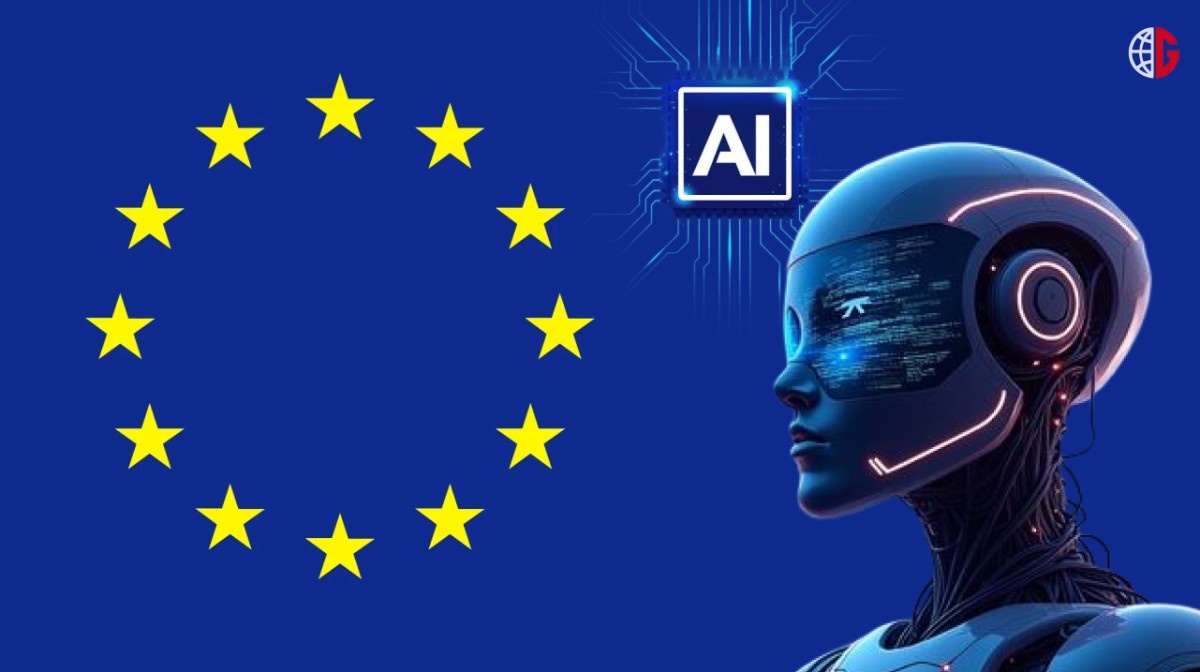
Brussels, October 2025 – The European Union has called on businesses across critical sectors to adopt “made-in-Europe” artificial intelligence solutions, as part of an ambitious plan to reduce reliance on foreign providers and strengthen the bloc’s position in the global AI race.
Despite lagging behind the United States and China in AI adoption, EU leaders insist Europe can still compete by building a strong homegrown ecosystem. On Wednesday, the European Commission unveiled a €1 billion ($1.6 billion) funding initiative aimed at boosting the uptake of AI tools across industries such as pharmaceuticals, energy, defence, mobility, and healthcare.
Mobilising Funds for AI Growth
The majority of this investment will be channelled through the EU’s flagship Horizon research programme. Projects supported under this initiative include the development of autonomous vehicles, advanced cancer screening centres, and specialised AI models tailored to industry needs. Alongside this, Brussels is investing billions into expanding AI infrastructure, including AI gigafactories and tripling data centre capacity to support large-scale deployments.
Bridging the AI Adoption Gap
Currently, AI adoption among European businesses remains low. According to EU tech chief Henna Virkkunen, only 13% of companies in Europe used AI last year, although this figure is now on the rise. The Commission’s ambitious goal is to see 75% of businesses using AI by 2030, a move it believes is essential to securing Europe’s competitiveness and technological sovereignty.
A Push for Strategic Autonomy
European leaders have voiced concerns over the “external dependencies of the AI stack”, warning that relying heavily on foreign infrastructure and software could expose Europe’s supply chains to risks from both state and non-state actors. By promoting European-built AI, Brussels hopes to reduce vulnerabilities and strengthen resilience in strategically important industries.
“I want the future of AI to be made in Europe,” said European Commission President Ursula von der Leyen, stressing that European AI can deliver “smarter, faster, and more affordable solutions”. Echoing this sentiment, Virkkunen encouraged businesses to prioritise European solutions wherever possible, even while acknowledging that complete independence may not yet be feasible.
Building Europe’s AI Future
This move comes at a time of intense global competition, with U.S. and Chinese companies dominating the AI landscape. By mobilising funding, fostering innovation, and encouraging businesses to adopt local solutions, the EU hopes to carve out its own space in the rapidly evolving AI economy.
The initiative marks a decisive step towards ensuring that the future of artificial intelligence in Europe is built on European innovation, infrastructure, and values, while simultaneously reducing strategic vulnerabilities and boosting the region’s long-term competitiveness.
Read More: mymediset Names Silke Zschweigert as New CEO to Drive Global MedTech Supply Chain Growth