

Today more than ever, schools are no longer expected merely to transmit knowledge; they are increasingly called upon to cultivate empathy, ethical responsibility, intercultural understanding, and the capacity to navigate complexity. In a world shaped by rapid social, environmental, political, and technological change, the ability to live constructively with difference has become as important as academic achievement. This is why education goes beyond instruction: it prepares individuals not only to know, but to coexist responsibly and thoughtfully.
Peace Education and Restorative Practices offer a powerful framework to meet this challenge. Together, they help schools move beyond reactive discipline toward cultures rooted in dialogue, accountability, and mutual recognition. When intentionally embedded into school structures, they can transform conflict into an opportunity for emotional learning, growth, and community cohesion. International schools are a particularly meaningful example, as they are naturally characterized by “cultural dissonance”: teachers, staff, students, and families bringing diverse identities and perspectives into daily interaction. For this reason, it becomes essential that all stakeholders develop international mindedness, which the International Baccalaureate Organization® (IB) defines as a “shared attitude to openness toward different world cultures and their appreciation.”
The Urgency of Peace Education Today
The contemporary global landscape is marked by increasing polarization, identity tensions, and excessive uncertainty. These pressures are also reflected in schools, where cultural differences, social anxieties, and shameless digital influences can manifest as conflict, disengagement, or fragmentation.
History repeatedly shows that when mutual recognition is absent, cultural belonging can harden into exclusionary ideologies. Individuals and groups begin to perceive acknowledgement of others’ perspectives as a threat to their own identity. This “all-or-nothing” dynamic leads to polarization, dehumanization, and ultimately conflict.
Peace education, therefore, plays a preventive role by equipping learners not only with knowledge but also with wisdom and peace-building skills: the ability to listen, cooperate, and engage respectfully across differences, all equally deserving of dignity and recognition.
Peace Hubs: Structuring Peace into School Culture
One emerging model for integrating peace education and restorative practices is the concept of Peace Hubs: structured frameworks within schools that make peace-building visible, intentional, and sustainable.
These hubs typically include professional development for educators and administrators, restorative behaviour and inclusion policies, curriculum integration across subjects and programmes, community service initiatives focused on healing and social responsibility, development of conflict mitigation skills, and dedicated physical or virtual spaces for dialogue and innovation.
Rather than isolated interventions, Peace Hubs embed peace-building into the daily life of the school, with the aim that this approach is applied beyond the school’s walls. In the end, they encourage students to see themselves not just as learners but as contributors to community well-being and safety.
International Mindedness: From Coexistence to Connection
International schools provide a particularly revealing microcosm of global diversity. Students, educators, and families bring varied languages, traditions, and worldviews into a shared learning environment. While this diversity enriches education, it also introduces what can be described as “cultural dissonance” — the friction that naturally arises when perspectives differ.
Significantly, the IB® framework addresses this through the concept of international mindedness, defined as openness toward world cultures and appreciation of diversity. The aim is not mere coexistence but connection: creating what might be called a “third cultural space” where common ground emerges without erasing difference.
In this shared space, differences become bridges rather than barriers, respect replaces defensiveness, collaboration replaces competition, and identity expands to include a sense of shared humanity.
Restorative Practices: Rethinking Discipline and Conflict
Traditional disciplinary systems in many schools remain rooted in control and punishment, at times, even with families’ support. While intended to maintain order, these approaches can inadvertently reinforce exclusion and fail to address underlying relational dynamics.
Drawing on Restorative Justice principles, seen as an opportunity for a cultural melting pot, Restorative practices, instead, offer an alternative. They focus on repairing harm, restoring relationships, and fostering accountability through dialogue rather than punishment.
This shift transforms the educational environment. Conflict is no longer viewed solely as misconduct but as a relational event that requires understanding, unveils unexplored unhealthiness, while providing repair, and personal growth.
Evidence increasingly supports this approach, especially in very delicate school settings. As a matter of fact, institutions implementing restorative practices report improved climate, reduced exclusions, stronger student engagement, and enhanced well-being; outcomes that directly support both academic success and social development.
From Reaction to Prevention
Perhaps, the most significant contribution of restorative education is the shift from reactive discipline to a proactive culture-building approach.
When students regularly participate in dialogue circles, reflective discussions, collaborative projects, and intercultural exchanges, they develop emotional literacy, conflict resolution skills, empathy and perspective-taking, ethical awareness, and global citizenship competencies.
Consequently, this proactive orientation reduces the likelihood of serious conflicts while strengthening the school community’s relational fabric.
Education as a Vehicle for Societal Peace
Schools do not exist in isolation. They reflect and influence the broader societies they serve. By fostering environments grounded in respect, dialogue, and shared responsibility, schools can contribute to a more peaceful social fabric.
Peace-building in education operates on multiple levels: individual, relational, institutional, and global.
When these levels align, education becomes a powerful driver of social cohesion; for this reason, despite their political orientation, Governments should, in unison, gather their efforts and intent to invest in Peace Education. Eventually, peace flies no flag; rather, it embraces humanity as a whole.
A Vision for the Future
Peace education is not about avoiding conflict; it is about learning how to engage with it constructively. Conflict, when approached thoughtfully, becomes a catalyst for growth rather than division.
As Cardinal Pietro Parolin observed in a recent address, “Peace is always possible, when wanted.” Achieving it requires intentional choices in homes, communities, and especially in schools.
Education remains one of humanity’s most powerful instruments for shaping the future. By integrating restorative practices and peace education into the fabric of schooling, we can prepare learners not only to succeed academically but to contribute thoughtfully and compassionately to an interconnected world.
Author Bio Paragraph
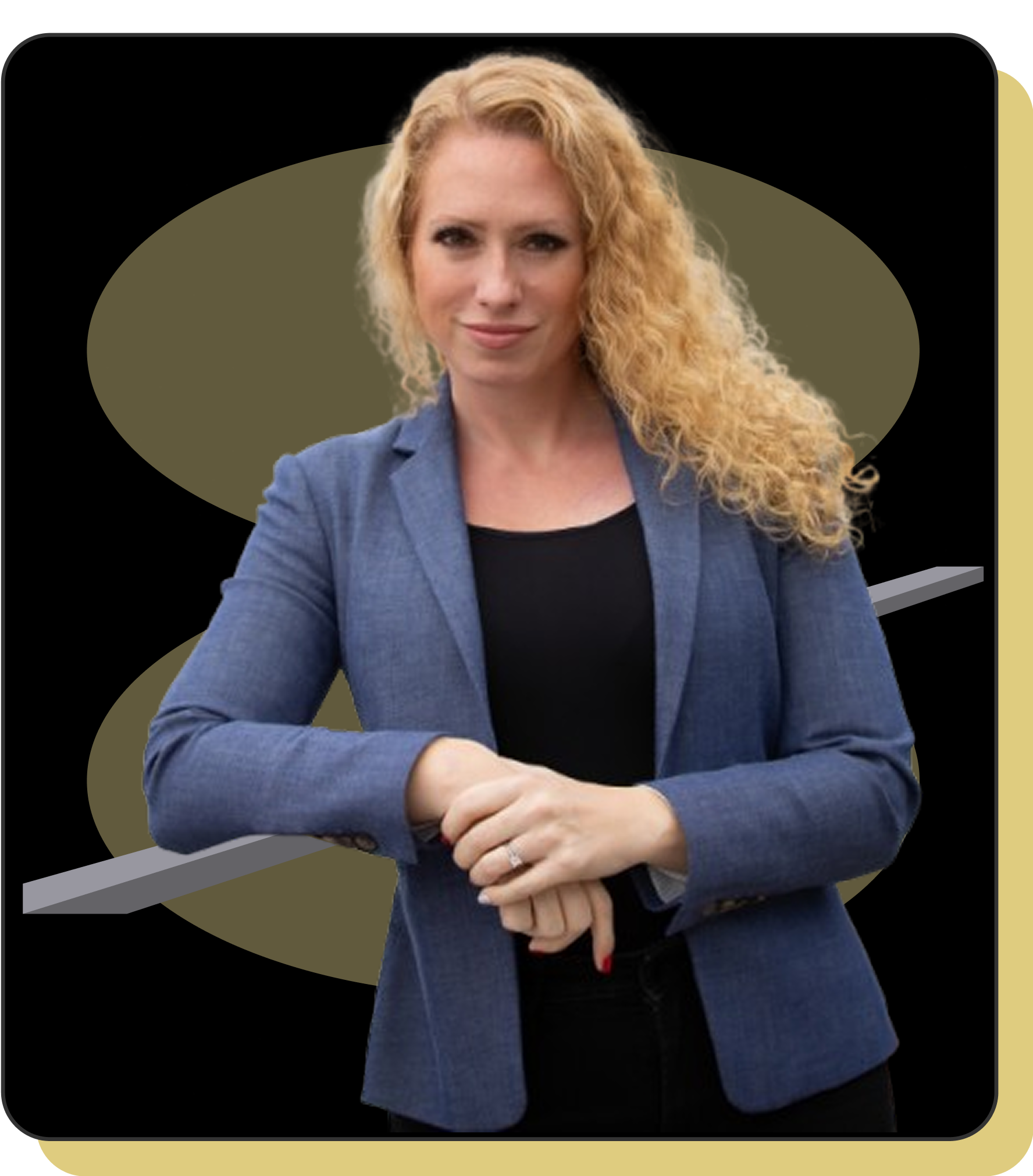
Elisa Prisco is an IB® education expert specializing in peace education, international mindedness, and restorative practices in schools. She works at the intersection of educational innovation, intercultural understanding, and student well-being, supporting institutions in embedding restorative approaches and global citizenship into their frameworks. Recipient of the “Outstanding Leadership Award” and “Educator of the Year”, Elisa constantly pursues knowledge, offering reassurance to the community of my sound educational approach. She is also the founder of the Peace Hubs Project® forIB Schools and contributes to international conferences and institutions – www.elisaprisco.com
Read more: Speed, Models, Smarter Risk Management and the Future of SR 11-7