

I-The Demographic Inflection Point
For the first time in modern workplace history, five distinct generations are collaborating across global organizations. From Traditionalists (born pre-1946) still active in Japanese keiretsu networks to Generation Z transforming Latin American e-commerce, this unprecedented demographic overlap presents both significant challenges and strategic opportunities.
According to recent McKinsey research, by 2027, Generation Z will comprise approximately 30% of the global workforce, while 25% of G7 nations’ senior leadership positions will still be held by Baby Boomers. This convergence of experienced leadership and digital-native thinking creates natural friction points in communication, decision-making, and organizational culture.
II-Quantifying the Generational Advantage
Recent studies have begun to quantify the business impact of effectively managed generational diversity:
| Metric | Age-Diverse Teams | Industry Average | Source |
| Innovation Yield | +22% patents filed | Baseline | WIPO 2023 |
| Market Expansion | 1.8x emerging market penetration | 1.0x | BCG |
| Crisis Recovery | 14 days faster | 28 days | Gartner |
These metrics suggest that organizations systematically leveraging cross-generational collaboration may gain significant competitive advantages. Samsung’s Global Innovation Group has attributed part of its 2023 market position improvement to implementing specific intergenerational practices, including:
- A “60/30 Rule” requiring at least 30% under-40 members on all project teams
- Quarterly “Reverse Pitch Days” where junior staff present ideas directly to board members
- “Generational Due Diligence” assessments during M&A evaluations
III-Challenging Common Misconceptions
The data increasingly contradicts several persistent stereotypes about generational workplace dynamics:
Myth 1: “Younger workers are inherently more innovative”
MIT’s Age & Innovation Study found that breakthrough conceptual innovations actually peak among workers aged 45-54, while implementation excellence tends to skew toward younger team members. This suggests optimal innovation requires cross-generational collaboration rather than age-based assumptions.
Myth 2: “Older workers resist technological change”
PwC’s 2024 Workforce Survey revealed that Baby Boomers adopt enterprise software platforms 17% faster when trained by Gen Z colleagues compared to traditional training methods. This contradicts the widespread belief that older workers inherently resist new technology.
IV-Regional Implementation Variations
Effective generational collaboration strategies must account for significant regional and cultural differences:
Asia Pacific
- Japanese corporations are applying jidōka (automation) principles to integrate traditional craftsmanship values with modern technological approaches
- Singapore’s DBS Bank has implemented mandatory cross-generational “hackathons” for legacy system updates
Europe, Middle East, and Africa
- German manufacturing firms are creating structured connections between apprentice programs and senior “master trainer” roles
- Nigerian fintech companies use mixed-format communication platforms to bridge formal and informal communication preferences
Americas
- Brazilian corporations like Natura have established mixed-age focus groups to test products across socioeconomic segments
- Several Silicon Valley firms have adopted a “20-70-10” composition rule (20% young disruptors, 70% core experienced staff, 10% senior advisors)
- Implementation Framework
Organizations seeking to systematically leverage generational diversity typically follow a three- phase implementation approach:
Phase 1: Audit (Weeks 1-4)
- Map current age distribution against industry benchmark data
- Conduct structured “generational listening tours” across organizational levels
Phase 2: Pilot (Weeks 5-12)
- Launch targeted cross-generational teams focused on:
- Digital transformation friction points
- Customer experience gaps
- Talent development bottlenecks
Phase 3: Scale (Months 4-6)
- Connect leadership compensation to specific generational KPIs
- Establish dedicated “Generational Ambassador” positions in each functional area
VI-Risk Management Considerations
Organizations implementing generational fluency initiatives commonly encounter several challenges:
| Challenge | Recommended Approach |
| “Tokenism” perceptions | Establish transparent, competency-based selection criteria |
| Communication breakdowns | Provide training in “generational translation” techniques |
| Difficulty measuring impact | Apply AI-enabled sentiment analysis to cross-age collaborations |
VII-Organizational Structure Implications
Effective generational intelligence requires engagement from multiple C-suite functions:
- Chief Executive Officers: Lead quarterly generational strategy councils
- Chief Human Resource Officers: Redesign succession planning with explicit age- diversity matrices
- Chief Financial Officers: Allocate 2-5% of learning and development budgets to generational fluency programs
Pharmaceutical giant Novartis implemented a structured “Generational Dividend” initiative incorporating these elements and documented:
- 31% acceleration in drug commercialization timelines
- 40% reduction in interdepartmental conflicts
- 18% improvement in employer brand metrics
VIII-The Cost of Inaction
A 2023 Boston Consulting Group analysis warns that organizations failing to address generational dynamics face measurable consequences:
- 3x higher internal silo formation
- 50% slower crisis response capabilities
- 17% decline in customer satisfaction ratings
IX-Future Implications
As artificial intelligence continues to reshape workplace functions and requirements, human competitive advantage will increasingly center on capabilities machines cannot easily replicate— particularly the integration of accumulated experience with fresh perspectives. Organizations must ask whether their leadership development explicitly addresses generational fluency alongside traditional competencies.
Effective approaches to generational intelligence focus on systems rather than stereotypes. Organizations achieving the greatest success typically:
- Incorporate cross-age collaboration metrics in performance evaluation structures
- Require age diversity in innovation task forces and strategic initiatives
- Regularly measure generational engagement through targeted survey instruments
In today’s complex talent landscape, generational fluency is emerging as a critical strategic capability—one that requires the same analytical rigor and systematic implementation as other core business functions.
About the Author
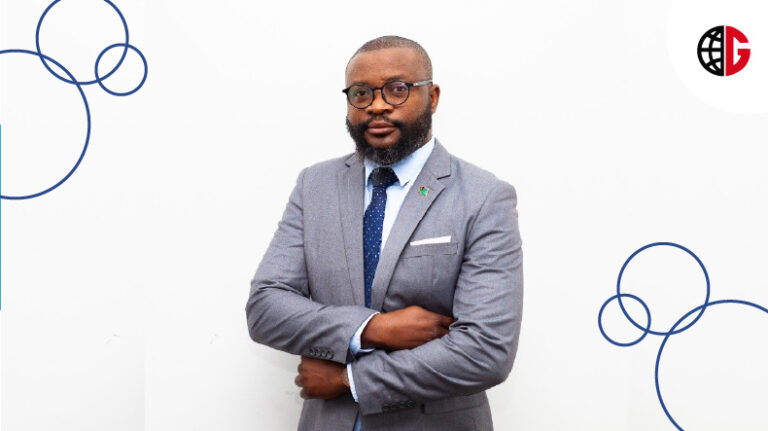
Francine Mbvoumbo is a strategist, thought leader, and community builder who advises Fortune 500 companies and governments on strategic partnerships and intergenerational strategy. A former fintech transformation lead, she is the founder of Mothers to Daughters (M2D), a global community initiative empowering woman through intergenerational mentorship and leadership development. Featured in Silicon Valley PM and other business outlets, Francine’s work centers on quantifying the business impact of generational intelligence and designing practical frameworks for cross-generational collaboration, helping global organizations unlock the full potential of their human capital through intentional partnership.