
How strategic self-positioning has become essential for professional success in an increasingly transparent digital world
In boardrooms and LinkedIn feeds alike, a quiet revolution is reshaping how professionals advance their careers. Personal branding—once dismissed as vanity or self-promotion—has evolved into a critical business competency. As digital platforms erase the boundaries between public and private personas, business leaders face an urgent reality: their professional reputation is no longer shaped solely by their work, but by how effectively they communicate their value to the world.
The stakes have never been higher. In 2026, executive searches begin with Google queries, partnership decisions hinge on LinkedIn profiles, and career opportunities flow to those who master the art of strategic self-presentation. Amazon founder Jeff Bezos captured this transformation succinctly: “Your brand is what people say about you when you’re not in the room.” For today’s professionals, that conversation is happening constantly—online, offline, and often beyond their control.
This shift represents more than digital-age narcissism. Personal branding, properly understood, is the intentional practice of defining and expressing your unique value proposition. It’s about ensuring that the narrative others construct about you is accurate, compelling, and differentiated. For business leaders navigating competitive markets, talent recruitment, or board appointments, mastering this discipline has become non-negotiable.
The Strategic Imperative: Why Personal Branding Matters Now
The transformation of professional advancement has been dramatic. Twenty years ago, career progression followed predictable patterns: strong performance, institutional loyalty, and occasional networking sufficed. Today, professionals operate in what researchers call a “reputation economy,” where visibility and perceived expertise often matter as much as actual competence.
This shift stems from fundamental changes in how opportunities are discovered and decisions are made. Executive recruiters now conduct extensive digital research before contacting candidates. Potential business partners evaluate thought leadership before scheduling meetings. Even internal promotions increasingly consider an executive’s external profile and industry influence.
The impact on career trajectories is measurable. A well-managed personal brand enhances visibility among decision-makers, expands professional networks, and attracts opportunities that might otherwise remain inaccessible. Research shows that executives with strong personal brands command higher compensation, secure board positions more frequently, and weather corporate transitions more successfully than equally qualified peers with lower profiles.
Yet the benefits extend beyond pragmatic career advancement. The process of building a personal brand forces professionals to articulate what makes them unique—their distinctive capabilities, experiences, and perspectives. This clarity benefits not just external audiences but the individuals themselves, providing focus and direction for professional development.
The Architecture of Personal Brand: A Strategic Framework
Building an effective personal brand requires more than posting regularly on social media or updating your resume. It demands a systematic approach grounded in strategic thinking and authentic self-assessment.
The foundation begins with defining purpose. Business leaders must articulate their long-term vision: What impact do they want to have? Which audiences matter most? What values will guide their actions? This requires identifying what brand strategists call a “through line”—the consistent interests, competencies, and character traits that connect past achievements to future ambitions.
From this foundation emerges a personal value proposition: a clear statement identifying target audiences, the unique value you provide, your competitive context, and your distinctive capabilities. For instance, a technology executive might position herself as “the leader who bridges technical innovation and business strategy for mid-market companies navigating digital transformation, distinguished by my background in both software engineering and management consulting.”
The next critical step involves auditing current brand equity. What do people actually know, think, and say about you? This assessment examines three dimensions: awareness (what people know), associations (their thoughts and feelings), and meaning (the stories they tell). Many professionals discover significant gaps between their self-perception and others’ perceptions—gaps that must be addressed strategically.
Smart professionals conduct market research using trusted advisers as “truth tellers.” These frank conversations—asking questions like “How would you describe me to a stranger?” or “Which adjectives do you associate with me professionally?”—often reveal surprising insights. A chief marketing officer seeking board positions might discover she’s perceived as creative but lacking financial acumen, highlighting a specific developmental need.
Equally important is the competitive analysis. Professionals must assess themselves against peers: Which capabilities, credentials, and traits distinguish you? Which areas need development? Understanding your points of difference and potential deficits informs strategic decisions about skill development, experience acquisition, and positioning emphasis.
The Power of Narrative: Stories That Stick
Effective personal brands transcend mere lists of credentials or skills. They’re built on compelling narratives that make abstract qualities tangible and memorable.
Consider two professionals interviewing for a leadership role. One recites her resume: “I managed teams, delivered projects, and exceeded targets.” The other tells a story: “When our flagship product launch faced a two-month delay, I assembled a cross-functional team, identified the critical bottlenecks, and personally worked weekends with engineering to accelerate testing. We launched on time and exceeded first-quarter sales projections by forty percent.”
The second approach transforms generic claims into vivid demonstrations of leadership, problem-solving, and results orientation. The interviewer doesn’t just understand these qualities—she visualizes them in action.
Strategic professionals develop a portfolio of such stories, each illustrating different aspects of their personal brand. These narratives serve multiple purposes: they provide concrete evidence of claims, make abstract qualities relatable, and create emotional connections that dry credentials cannot achieve.
The art lies in weaving these stories naturally into professional interactions. A simple question like “Where are you from?” becomes an opportunity: “A small town in the Midwest, where my parents ran a struggling hardware store. Watching them navigate that taught me more about business resilience than any MBA course.” Such responses communicate qualities—resourcefulness, business acumen, authentic roots—without explicit self-promotion.
Embodiment and Communication: Living Your Brand Daily
Personal branding isn’t performed; it’s embodied. Every interaction—from elevator small talk to formal presentations—either reinforces or undermines your intended brand.
This demands awareness of the messages you transmit daily. When a colleague asks “How are you?” The response “I’m swamped and stressed” communicates something quite different from “I’m energized—we’re launching an exciting new initiative next week.” Both might be equally true, but they create vastly different impressions of your leadership presence and attitude.
Embodiment extends to all touchpoints: your communication style in emails, your presence in meetings, your contributions to industry discussions, even your physical demeanor. A brand built on innovation and forward-thinking must be reflected in your willingness to challenge conventional wisdom and propose novel solutions. A brand emphasizing collaboration and empathy requires demonstrating those qualities consistently, not just claiming them.
The communication challenge then becomes systematic. Modern professionals must develop what marketers call a “media plan”—a strategic approach to sharing their brand across owned, earned, and paid channels.
Owned media includes the platforms you control: LinkedIn profiles, personal websites, blogs, podcasts, or published articles. These channels allow direct communication of your expertise and perspective. Earned media encompasses external validation: press mentions, speaking invitations, LinkedIn recommendations, or introductions from respected colleagues. This third-party endorsement carries particular weight. Paid media, while less common in personal branding, includes executive search consultants, speakers’ bureaus, or promoted social content.
The key is matching channels to audiences. A financial services executive targeting institutional clients might prioritize thought leadership in industry publications and speaking engagements at major conferences. A technology entrepreneur seeking venture capital might focus on startup media, podcast appearances, and active engagement with investor communities on social platforms.
The Comprehensive Platform Approach: GlobalBiz Outlook’s Personal Branding Strategy
The mechanics of personal brand building have been transformed by specialized platforms that systematically amplify professional visibility. Organizations like GlobalBiz Outlook have developed comprehensive approaches that address multiple dimensions of executive positioning simultaneously, offering business leaders an integrated infrastructure for brand development.
Business Articles and News Coverage form the foundation, providing executives with platforms to share insights on industry trends, market dynamics, and strategic perspectives. This thought leadership establishes expertise while keeping leaders visible in relevant professional conversations. When an executive publishes analysis on emerging technologies or market disruptions, they position themselves as forward-thinking authorities rather than passive observers.
Print and Digital Advertising extends reach beyond organic audiences, ensuring visibility among targeted decision-maker segments. While traditional advertising might seem counterintuitive for personal branding, strategic placement in business publications read by board recruiters, potential partners, or industry influencers creates awareness that purely organic efforts cannot match.
Executive Interviews provide particularly powerful brand-building opportunities. Being interviewed positions the executive as someone whose perspective warrants attention, while the interview format allows for deeper exploration of experience, philosophy, and vision than typical articles permit. These conversations humanize the executive while demonstrating expertise in conversational, accessible ways.
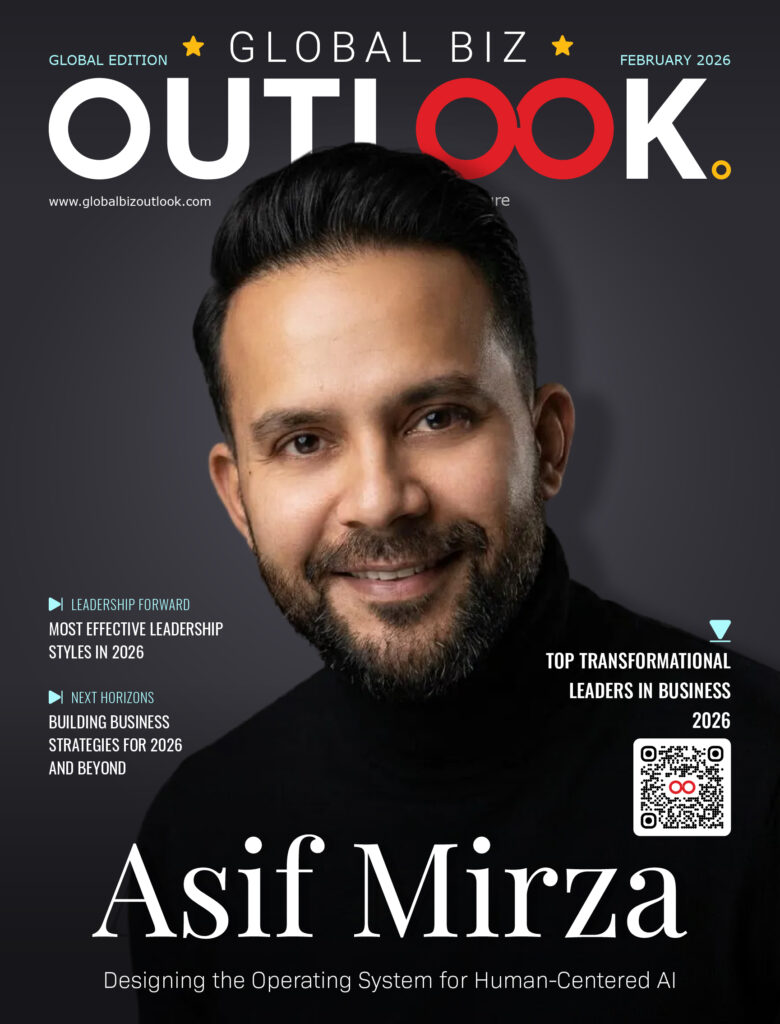
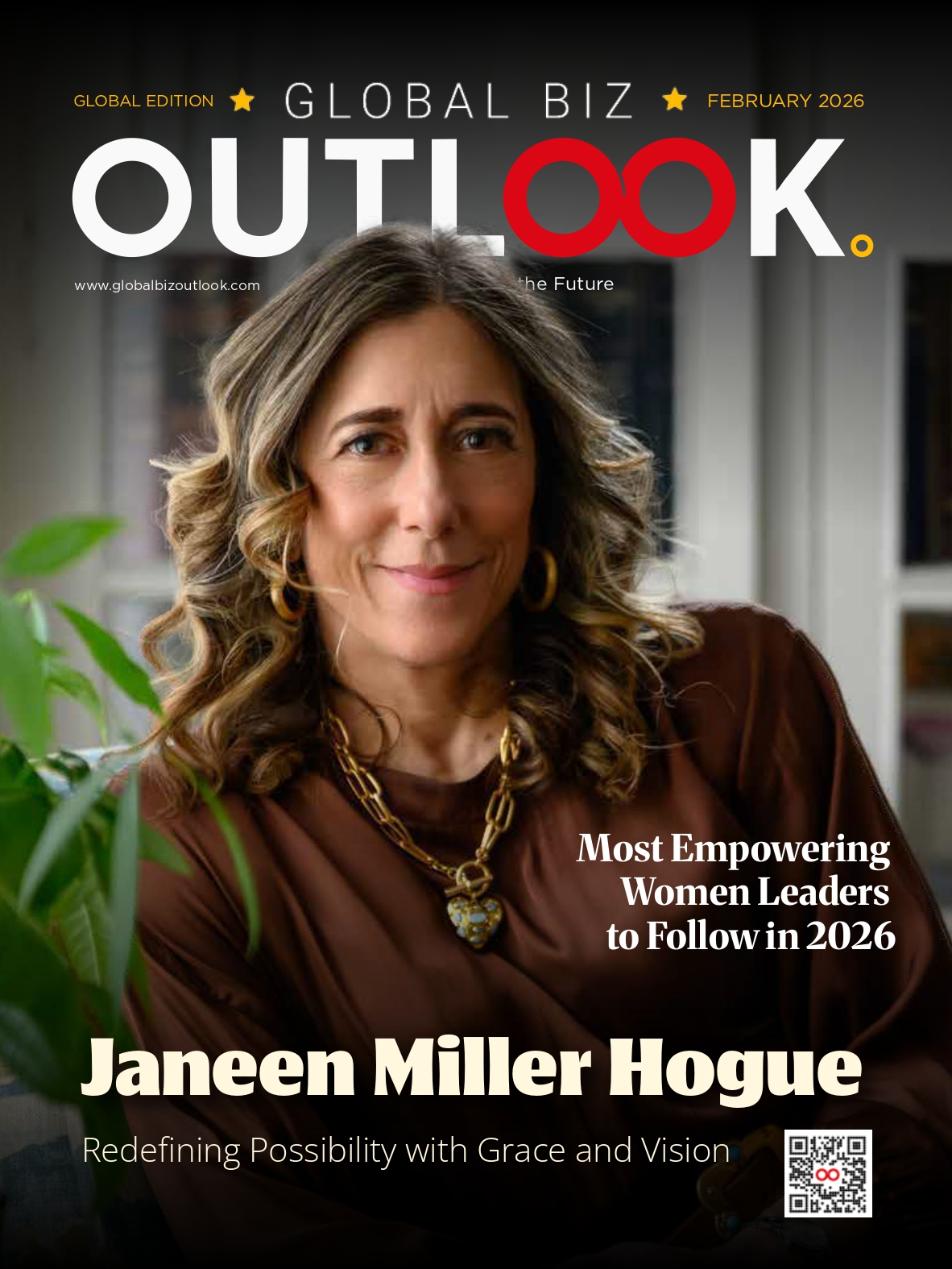
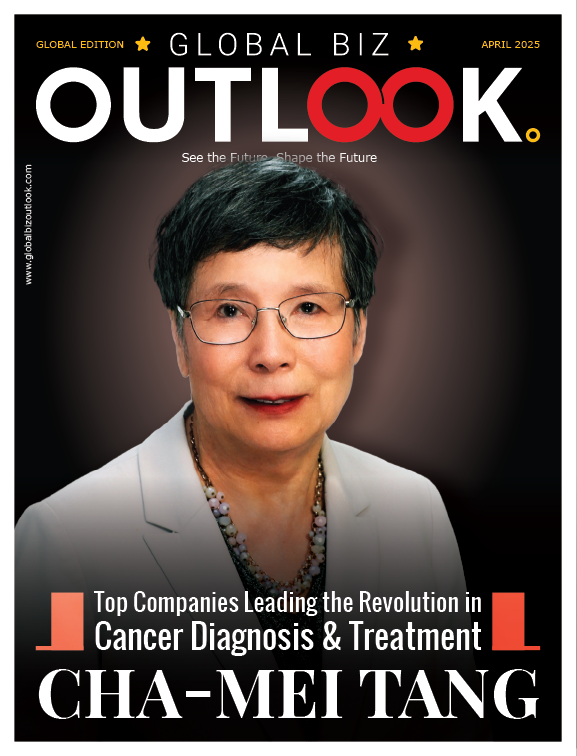
Cover Story Features deliver concentrated visibility and credibility. Being featured on a business publication’s cover signals achievement and authority, creating a memorable visual association between the executive and professional excellence. This recognition often triggers cascading benefits—speaking invitations, networking opportunities, and enhanced credibility in subsequent interactions.
Extensive Press Coverage multiplies the impact of individual content pieces through strategic distribution across media networks. A single executive interview or article, when syndicated across multiple publications and platforms, reaches diverse audiences and reinforces the executive’s profile through repeated exposure. This breadth of coverage is difficult for individuals to achieve independently.
Content Syndication further amplifies reach by sharing executive-authored content across industry publications, business platforms, and professional networks. This distributed presence creates the impression of ubiquity—executives appear wherever their target audiences consume information, reinforcing their relevance and expertise.
Whitepapers and In-Depth Reports establish analytical depth and substantive expertise. While shorter articles demonstrate thought leadership, comprehensive research documents position executives as serious contributors to industry knowledge. These longer-form pieces become enduring reference materials that continue building credibility long after publication.
Top Lists and Recognition Rankings leverage social proof through third-party validation. Being named among top executives, innovative leaders, or influential figures in one’s field provides external confirmation of achievement that self-promotion cannot deliver. These recognitions become credentials in themselves, referenced in introductions and biographical materials.
Business Video Content addresses the growing preference for visual media while allowing executives to demonstrate presence, communication style, and personality in ways that text cannot capture. Video interviews, panel discussions, and executive presentations create more intimate connections with audiences while expanding reach on video-centric platforms.
Lead Magnet Strategy transforms visibility into opportunity by capturing and nurturing connections with executives’ target audiences. Offering valuable resources—ebooks, exclusive reports, webinar access—in exchange for contact information builds databases of engaged prospects interested in the executive’s expertise, creating pathways for future business development or career opportunities.
This integrated approach addresses a fundamental challenge in personal branding: the difficulty of achieving both breadth and depth of impact through fragmented, individual efforts. By orchestrating multiple touchpoints across diverse channels, such platforms create synergistic effects where each element reinforces the others, building comprehensive executive profiles more efficiently than isolated tactics.
The Ecosystem Approach: Building Your Brand Network
No personal brand succeeds in isolation. Strategic professionals cultivate an ecosystem of gatekeepers, influencers, promoters, and communities that amplify their message and open doors.
Gatekeepers control access to opportunities—hiring managers, award selection committees, conference organizers, or media editors. Understanding who these individuals are and what they value allows you to position your brand for their attention. A technology executive seeking speaking opportunities must understand what conference organizers look for: demonstrated expertise, audience appeal, and relevant insights on timely topics.
Influencers are individuals whose endorsement carries weight with your target audiences. In professional contexts, these might be respected industry analysts, prominent executives, or academic thought leaders. Association with such figures—through co-authored articles, panel discussions, or even social media interactions—enhances credibility by proximity. When an established industry voice shares your content or collaborates on a project, their reputation reinforces yours.
Promoters are invested in your success. They include mentors who advocate for you, former colleagues who recommend you, or professional contacts who make valuable introductions. These relationships require cultivation through genuine reciprocity and support. The executive who regularly helps others—making introductions, sharing opportunities, providing advice—builds a network of promoters who naturally advocate on their behalf.
Finally, brand communities—whether trade associations, alumni networks, or online forums—provide platforms for demonstrating expertise and connecting with like-minded professionals. Active, valuable participation in these communities raises visibility and establishes reputation. The financial services executive who regularly contributes thoughtful analysis in industry forums becomes known to peers and potential partners without overt self-promotion.
Building this ecosystem requires intentionality. Identify which gatekeepers matter to your goals. Determine which influencers reach your target audiences. Cultivate promoters through genuine relationship investment. Engage meaningfully in relevant communities. This network becomes infrastructure that amplifies your brand far beyond what individual effort alone could achieve.
The Continuous Evolution: Adapting Your Brand Over Time
Personal branding is not a project with a completion date; it’s an ongoing practice requiring regular assessment and adjustment. Professional contexts change, career objectives evolve, and market perceptions shift. Successful brand management responds dynamically to these changes.
Smart professionals conduct annual brand audits. They reassess their value proposition: Does it still align with their goals? They re-engage truth tellers: How has perception changed? They analyze market position: Where are the new opportunities or emerging threats? This regular assessment prevents brand obsolescence and identifies course corrections before small gaps become major disconnects.
Consider a marketing executive who successfully built a brand around digital advertising expertise. As artificial intelligence reshapes marketing, her brand must evolve to incorporate AI-driven strategy, lest she appear outdated. This might require visible learning—publishing articles on AI applications, speaking at conferences about the technology’s implications, or taking leadership roles in AI-related industry initiatives.
The adjustment process often reveals developmental needs. An executive perceived as technically brilliant but difficult to work with might invest in executive coaching and deliberately seek opportunities to demonstrate collaborative leadership. This was the case for one seasoned CMO seeking board positions. Without existing board experience, she faced barriers despite strong marketing credentials. By joining a nonprofit board and serving on its audit committee, she developed new capabilities while building stories demonstrating financial acumen and governance expertise. Her value proposition evolved from “experienced CMO” to “strategic executive with both marketing leadership and governance oversight capabilities.”
The key is treating your personal brand as a living asset requiring active management. What worked to establish your reputation at thirty may not serve your objectives at forty-five. Career transitions—from individual contributor to manager, from technical expert to business leader, from corporate executive to board director—demand corresponding brand evolution. Each transition requires repositioning: emphasizing different capabilities, developing new credentials, and crafting narratives that bridge from old identity to new aspirations.
The Authenticity Imperative: Navigating the Self-Promotion Paradox
Perhaps the greatest challenge in personal branding lies in a fundamental tension: the need for strategic self-promotion conflicts with deep cultural discomfort around boasting or self-aggrandizement. Professionals worry about appearing narcissistic, desperate, or inauthentic.
The resolution lies in reframing personal branding not as self-promotion but as service. When you clearly communicate your capabilities and expertise, you help others—recruiters, potential partners, clients—make informed decisions. You create shortcuts that allow them to quickly understand what value you offer and whether it matches their needs. This perspective shift transforms branding from vanity exercise to professional responsibility.
Authenticity doesn’t mean avoiding strategy; it means ensuring your brand accurately reflects your genuine strengths, values, and aspirations. The goal is not to fabricate a persona but to intentionally shape how your real qualities and accomplishments are perceived and understood. Strategic positioning involves emphasis and framing, not invention.
This approach also demands honest self-assessment. Personal branding fails when it oversells—when the external image promises more than the underlying reality delivers. The executive who positions himself as a transformational change leader but consistently struggles with implementation creates dissonance that ultimately damages credibility. Sustainable brands are built on genuine capability, backed by real achievements, and supported by authentic stories.
The most successful professionals find the balance: they’re thoughtful about positioning and proactive about visibility, but their external brand aligns with internal substance. They understand that long-term reputation requires delivering on the promises their brand makes. This alignment between brand and reality creates authenticity that audiences instinctively recognize and trust.
Looking Forward: Personal Branding in an AI-Augmented World
As 2026 unfolds, personal branding faces new complexities and opportunities. Artificial intelligence is reshaping how professionals are discovered, evaluated, and positioned. Algorithms increasingly mediate professional connections, making understanding of digital visibility even more critical. Executive recruiters use AI tools to scan thousands of profiles, identifying candidates based on keyword matches and pattern recognition. This technological mediation rewards those who understand how to optimize their digital presence for algorithmic discovery.
Yet this technological evolution may ultimately increase the premium on authentic human branding. In a world where AI can generate competent content and analyze credentials efficiently, what distinguishes professionals is not just technical capability but unique perspective, authentic relationships, and compelling personal narratives—precisely the elements that strong personal brands communicate.
The executives who thrive will be those who master both dimensions: leveraging technology and platforms to amplify their reach while maintaining the authentic human elements—stories, relationships, values—that create genuine connection and trust. They’ll use AI tools to optimize visibility and efficiency while ensuring their brand remains distinctively human in its voice, values, and relationships.
The democratization of publishing through digital platforms means more professionals compete for attention than ever before. This intensified competition makes strategic differentiation more important, not less. Generic professional profiles blend into an undifferentiated mass. Compelling personal brands—built on clear positioning, authentic stories, and systematic communication—cut through the noise.
For business leaders, the message is clear: personal branding is no longer optional. In an increasingly transparent, connected, and competitive professional landscape, how you communicate your value shapes which opportunities come your way, which relationships you build, and ultimately, what impact you have. The question is not whether to build a personal brand, but whether you’ll do so strategically and authentically—or leave it to chance.
The most successful approach combines systematic methodology with authentic substance. Define your unique value proposition. Audit how others perceive you. Craft compelling narratives. Embody your brand in daily interactions. Communicate strategically across appropriate channels. Build an ecosystem of supporters. Regularly reassess and adjust. And consider leveraging comprehensive platforms that provide integrated infrastructure for visibility and credibility building.
Those who master these elements won’t just advance their careers—they’ll shape their industries, influence their fields, and create lasting professional legacies. In the reputation economy of 2026 and beyond, your personal brand isn’t just about career success. It’s about ensuring your unique contributions are recognized, your perspectives are heard, and your impact is maximized.
Frequently Asked Questions
What exactly is personal branding, and why does it matter for executives?
Personal branding is the intentional practice of defining and expressing your unique value proposition—the distinctive combination of skills, experiences, and qualities that differentiate you from peers. For executives, it matters because professional opportunities increasingly flow to those with clear, compelling reputations. Board positions, partnerships, speaking opportunities, and even internal promotions are often influenced by your external profile and perceived expertise, not just your actual performance. In today’s reputation economy, visibility and strategic positioning have become critical success factors.
How is personal branding different from self-promotion or boasting?
Personal branding focuses on clearly communicating genuine value to help others make informed decisions, while self-promotion centers on one’s own advancement regardless of accuracy or relevance. Effective personal branding is rooted in authenticity—accurately representing real strengths and accomplishments—and service orientation, helping target audiences understand how your capabilities might address their needs. It’s less about claiming you’re great and more about demonstrating specific value through evidence and stories. The distinction lies in intent and authenticity rather than tactics.
What are the first steps in building a personal brand?
Start by defining your purpose and value proposition: What unique impact do you want to have, for which audiences, and based on what distinctive capabilities? Identify your “through line”—the consistent interests, competencies, and character traits connecting your past to your future ambitions. Then audit your current brand equity by assessing what people actually know and think about you—gather honest feedback from trusted advisers across different contexts. Identify gaps between your desired brand and current perceptions, then develop specific narratives and stories that illustrate your key qualities. The goal is strategic clarity before tactical execution.
How much time should executives invest in personal branding activities?
Personal branding shouldn’t feel like a separate job but rather an intentional approach to activities you’re already doing. Initial brand strategy development might require focused time—perhaps 10-15 hours to clarify positioning, gather feedback, and develop core narratives. Ongoing maintenance involves embedding brand awareness into daily interactions, allocating 2-3 hours weekly for strategic activities like content creation or networking, and conducting annual audits to assess and adjust. The key is consistency over intensity. Strategic professionals integrate branding into existing professional activities rather than treating it as additional burden.
Which platforms or channels are most important for executive personal branding?
The answer depends entirely on your target audience and objectives. For C-suite executives, LinkedIn remains critical for professional visibility, while industry publications and speaking engagements establish thought leadership. Board aspirants benefit from profiles on director platforms and board governance publications. Entrepreneurs might prioritize startup media and investor networks. Comprehensive approaches like GlobalBiz Outlook’s integrated platform—combining business articles, executive interviews, cover features, press coverage, content syndication, whitepapers, video content, and lead generation—provide systematic visibility across multiple touchpoints simultaneously. The key is matching channels to where your audiences consume information, rather than being present everywhere. Quality and relevance matter more than ubiquity.
How do I balance authenticity with strategic positioning?
Authenticity in personal branding means your external image accurately reflects genuine strengths and values—not fabricating qualities you don’t possess. Strategic positioning means intentionally emphasizing certain authentic elements that align with your goals while de-emphasizing others. For example, a technically brilliant executive might strategically highlight collaborative projects and emotional intelligence to counter perceptions of being purely analytical, without misrepresenting their core technical expertise. The strategy lies in emphasis and framing, not invention. Long-term credibility requires that your brand promises align with your actual capabilities and that you consistently deliver on those promises.
Can personal branding help with career transitions or pivots?
Absolutely. Personal branding is particularly valuable during transitions because it allows you to intentionally reshape how others perceive your capabilities. A marketing executive moving toward board service needs to shift brand emphasis from tactical execution to strategic governance and financial acumen. This might involve seeking nonprofit board experience, publishing perspectives on corporate governance, and building relationships with existing directors. The brand work helps bridge the credibility gap that often exists during pivots by creating new associations and narratives that connect past achievements to future aspirations, demonstrating transferable capabilities others might not immediately recognize.
What role do business media platforms play in personal branding?
Established business media platforms like GlobalBiz Outlook Media provide third-party validation that carries more weight than self-promotion. Being featured in respected publications like GlobalBiz Outlook, interviewed as an expert, or included in industry rankings signals achievement and credibility to target audiences. Platforms offering comprehensive services—from executive interviews and cover stories to content syndication, video production, and extensive press coverage—provide infrastructure that individuals cannot easily replicate independently. These platforms accelerate visibility and establish authority more efficiently than purely self-directed efforts, while the third-party nature of the coverage enhances credibility in ways that personal websites or social media posts cannot match.
How often should I reassess and update my personal brand?
Conduct comprehensive brand audits annually, reassessing your value proposition, gathering fresh feedback from truth tellers, and identifying gaps between current perception and desired positioning. However, remain alert to significant trigger events that demand immediate brand adjustment: major career transitions, shifts in industry dynamics, changes in your professional objectives, or feedback suggesting misalignment between brand and reality. Personal branding is dynamic, requiring ongoing attention rather than periodic overhauls. The annual audit ensures systematic assessment, while continuous awareness allows real-time adjustments as circumstances evolve.
What are the biggest mistakes professionals make with personal branding?
The most common errors include treating it as a one-time project rather than ongoing practice; focusing on tactics like social media posting without clear strategic positioning; overselling capabilities that reality cannot support; being inconsistent across channels and interactions; neglecting to gather external feedback and relying only on self-assessment; trying to appeal to everyone rather than targeting specific audiences; and viewing it as self-promotion rather than value communication. Additionally, many professionals underestimate the importance of storytelling, relying on credential lists rather than compelling narratives. Success requires strategic clarity, authentic foundation, disciplined consistency, and understanding that personal branding is ultimately about helping others recognize the genuine value you offer.
Read more: Build Well Live Well: A Summit Shaping the Future of Wellbeing in Asia