
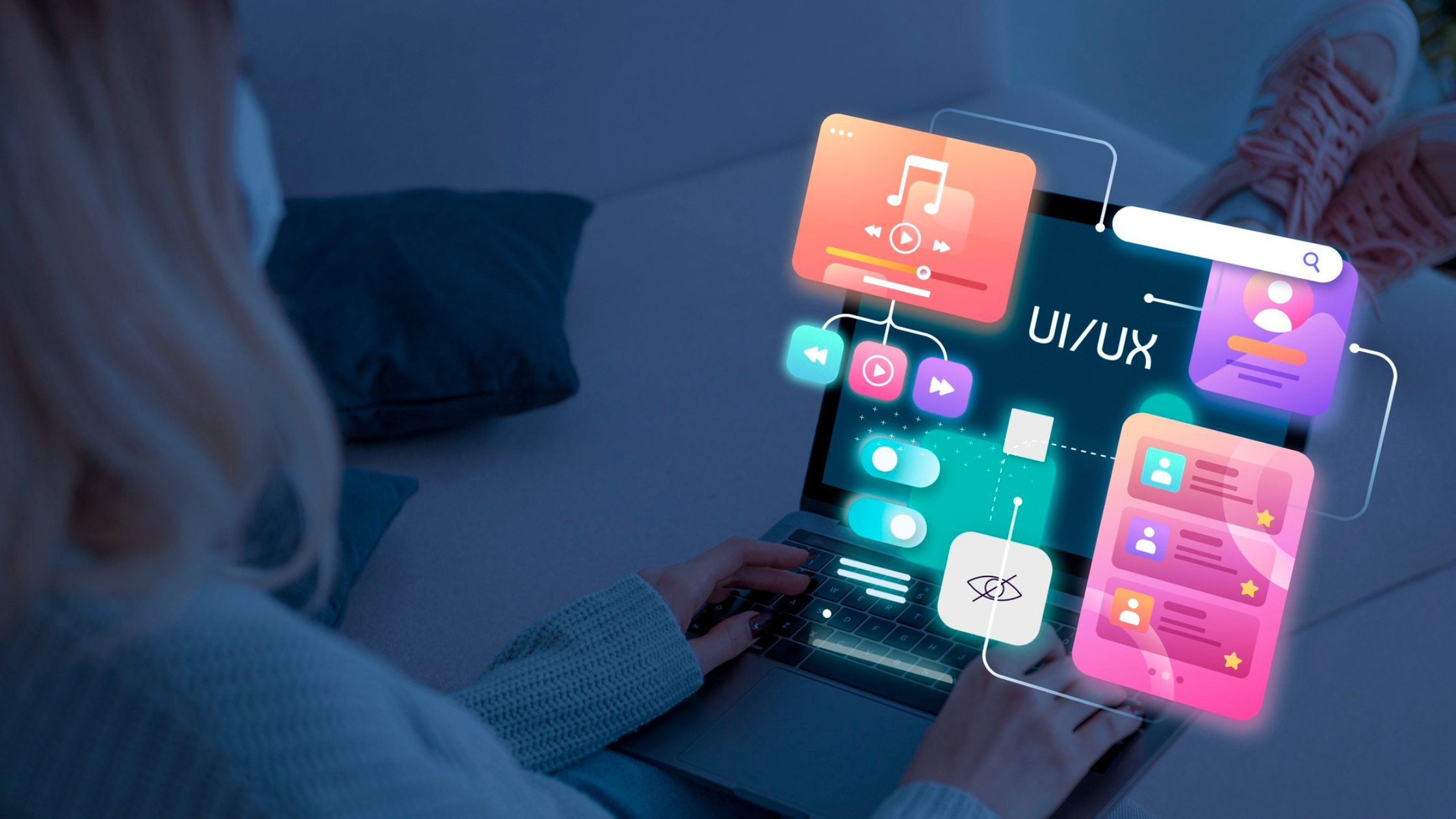
Design in 2026 will be about building trust in a world where users question everything. Every pixel, motion, and interaction signal something deeper: Is this brand reliable? Ethical? Forward thinking? Today’s users judge brands not just by what they offer but how they design. From Apple’s glass-inspired interface language to the growing demand for sustainability and inclusivity, credibility is coded into the user experience.
In this post, we will look at the UI/UX design trends that will shape credibility in 2026, demonstrating how innovation, empathy, and accountability will work together to create the next era of brand trust.
Designing for the Human Spectrum: Inclusion and Neuro-Affinity
The next generation of modern website design recognizes the entire range of human cognitive and physical ability. Therefore, choosing an experienced UI/UX design agency will help businesses to prioritize flexibility, accessibility, and empathy to ensure every user feels recognized, supported, and empowered.
Accessibility First: The Universal Standard
Accessibility first design will be inseparable from technical excellence and brand reputation. While WCAG compliance maintains the minimum standard, cognitive accessibility will be required by 2026. This includes designing for readability, employing clear, jargon-free microcopy, and dividing complicated interactions into short, manageable steps.
Brands that adopt an ‘Accessibility First’ mentality not only decrease legal risk but also demonstrate a true dedication to serving all types of customers. This show of empathy has a huge impact and will be an essential component of long-term brand loyalty. This expression of empathy has a significant impact and will be a non-negotiable aspect in long-term brand loyalty.
Neuro-Inclusive Design: Designing for Different Minds
As the conversation around cognitive diversity continues, neuro-inclusive design will emerge as a crucial competitive differentiator. This trend acknowledges that users absorb information, perceive motion, and manage cognitive load in vastly different ways, particularly those with disorders like ADHD, dyslexia, or autism.
Sensory Load Management
Interfaces must become mindful of sensory input. This involves offering user-controlled options for reduced animation intensity, adjustable color palettes, and clear separation between essential and non-essential information. The rise of dark mode popularity is already driven by this need for reduced visual stress.
Clarity and Predictability
For neurodiverse users, clear visual hierarchy, predictable navigation paths, and minimized cognitive load are crucial. This aligns perfectly with the resurgence of focused minimalism. A predictable interface signals competence and respect for the user’s focus.
Humanization: Authenticity Over Perfection
Users today spot “corporate polish” from a mile away. In 2026, the most credible businesses will adopt human centered design which includes candid photography, conversational microcopy, process transparency, and micro-interactions that convey personality.
These options lessen psychological distance, resulting in digital interactions that seem more like conversations.
Liquid-Glass & Material Realism
Apple’s latest Liquid Glass design represents a substantial visual shift in its user interfaces across its platforms. This design emphasizes translucency, fluidity, and depth, with UI components resembling moving, layered glass that responds to light and motion in real time.
The idea is to provide a more immersive and tactile experience. Elements like as navigation bars and buttons are intended to appear “alive,” sometimes hovering above the content. When implementing glass-inspired systems, the practical rules will still apply to preserve performance, test contrast for accessibility, and treat material realism as a signal, not a substitute for clarity.
Sustainability-Focused & Performance-Aware Design
Digital products now carry environmental footprints. Design systems are starting to include visual cues that are beneficial to the environment, less code, eco-friendly hosting, and performance budgeting.
Customers are becoming more conscious of the environmental effect of digital transactions, and organizations who prioritize efficiency above usability are displaying responsibility. Green messaging is just one part of sustainable design. It focuses on reducing energy consumption, minimizing data transfer, and creating lightweight, performance-optimized interfaces.
As a matter of fact, PwC’s survey reports consumers are willing to pay 9.7% more for sustainability premium, even as cost-of-living and inflationary concerns weigh.
Transparent Data & Privacy-Friendly UX
Customers are more concerned than ever about the acquisition, storage, and use of their personal information. Privacy-conscious user experiences not only protect customers but also increase brand trustworthiness. Companies that are clear about their data rules and give users discretion over how their information is shared generate long-term loyalty and trust.
Brands exhibit respect for consumers by using transparent and privacy-conscious design, therefore increasing credibility and cultivating stronger, trust-based connections.
Balancing Innovation and Evolving Trends
In 2026, brands will confront the difficulty of staying current with rapidly evolving UI/UX design trends while preserving usability and trust. Innovation boosts engagement but adopting every new trend without a plan can overwhelm individuals and weaken business identity. The answer will be to identify trends that are in line with brand values and consumer demands.
Best Practices:
Prioritize User Needs
Evaluate how new trends improve usability, accessibility, or engagement.
Test Before Implementation
Conduct A/B testing to measure the impact on user behavior.
Maintain Brand Consistency
Ensure new features align with your visual language and tone.
Adopt Gradually
Introduce trends incrementally to avoid overwhelming users.
Conclusion
As we move into 2026, design will evolve from being a visual tool to becoming the core expression of a brand’s integrity. Every design decision from accessibility-first frameworks to glass-inspired aesthetics will directly shape how users perceive credibility and trust. Users will expect experiences that feel human, ethical, and intelligent. Brands that consider such innovations carefully indicate that they have known their audience and provide them with functionality and confidence.
Bring your brand to life with design that users trust and enjoy. Connect with our design experts today!
FAQs
Why is design important for brand credibility?
Design is often the first thing users notice. A clean, intuitive, and consistent interface signals professionalism, builds trust, and helps users feel confident in engaging with your brand.
Why is sustainability in digital design important?
Efficient, performance-aware design reduces energy consumption, lowers digital footprints, and signals that a brand is responsible and forward-thinking.
How does Make My Brand use AI in design?
AI plays a key role in the Design & Prototype and Testing phases. We create adaptive layouts, personalized visuals, and generative UI elements that respond to user behavior in real time, delivering seamless, human-centered experiences that inspire trust.
What does accessibility-first design mean?
It ensures digital experiences are usable by all, including people with disabilities or neurodiverse conditions. This includes clear layouts, adjustable text, high contrast options, and cognitive-friendly design elements.
How can Make My Brand help a business get started with these design trends?
We guide brands with the help of our BDLC (Brand Development Lifecycle) framework, from Discovery & Research to Planning, Design, Implementation, and Optimization. This structured approach ensures trends are applied thoughtfully, enhancing user experience, credibility, and long-term engagement.
Read more: Silicon Valley’s Top 10 Women Entrepreneurs Redefining Innovation in 2025