

There’s a common belief in leadership that as you grow, you’re supposed to step away from the work. Delegate more, stay focused on strategy, trust your team to handle the details. And yes, that’s part of growth. But I’ve seen too many leaders take that too far. When they do, something shifts. Decisions start getting made from reports instead of reality, and there’s a disconnect between leadership and what’s actually happening inside the business.
I’ve been there myself. As my business grew, I stepped back the way I thought I was supposed to. I was leading, managing, building the team, focusing on growth. On paper, everything looked fine. But underneath that, things weren’t running the way they should have been. Not enough to set off alarms right away, but enough that I could feel it. There were inefficiencies, communication gaps, and small issues that didn’t show up clearly in reports but were very real in the day-to-day.
That was on me. I had created distance where there shouldn’t have been.
And in my case, that distance came at a cost.
I gave my team too much room without enough oversight. That wasn’t fair to them. It wasn’t a team failure—it was a leadership gap. I was too far removed to see what was really happening, and by the time it surfaced, it had turned into a $350,000 mistake.
That’s not a small lesson.
But it was one I needed.
Once I saw it clearly, I stepped back in. Not to take over, and not because I didn’t trust my team, but because I needed to understand what they were dealing with. Within six months, we had stabilized and brought the business back to cash flow even. From there, it became about rebuilding properly—putting structure in place and making sure we didn’t repeat the same mistakes.
There’s a big difference between reviewing something at a high level and actually working through it yourself. When you’re in it, you see where things slow down. You feel the friction. You notice where something looks fine on paper but doesn’t hold up in real life. You don’t get that from a dashboard.
That shift changed how I lead.
I stopped guessing. I asked better questions. I built better systems because I could actually see what was working and what wasn’t. Expectations became more realistic because they were based on experience, not assumptions.
There’s another side to this that doesn’t get talked about enough, and that’s how it impacts your team. People don’t follow titles. They follow people they respect, and just as importantly, people they can relate to. When your team knows you understand the work they’re doing, there’s a different level of trust. They don’t feel like they’re being managed by someone who’s removed from their reality. They feel like they’re being led by someone who actually gets it.
I saw the opposite of this early in my career in a corporate environment. The executives I worked under were so far removed from the day-to-day that they didn’t feel the pressure points we were dealing with. They made decisions based on what they thought was happening, not what was actually happening. And it made the work harder than it needed to be.
Over time, that kind of disconnect wears on people. It affects how they show up, how much they care, and how loyal they feel to the organization. Not because they don’t want to do a good job, but because they don’t feel understood by the people leading them.
That experience stuck with me.
So when I built my own company and stepped into a leadership role, I made a conscious decision to do it differently. I didn’t want to lead from a distance. I wanted to stay close enough to understand the work, support my team properly, and make decisions that reflected reality.
We talk a lot about how to retain good employees, and the conversation usually goes straight to compensation, flexibility, or perks. Those things matter, but they’re not what builds loyalty. People stay where they feel understood. They stay where decisions make sense because they reflect what’s actually happening, not just what looks good in a report.
Staying connected to the work doesn’t mean doing everything yourself or stepping into your team’s role. It means being intentional about understanding what you’re responsible for leading. That might be stepping into a file once in a while, sitting in on a process, or simply asking better questions because you’ve taken the time to see how things actually work.
It’s not complicated. But it does require intention.
At the end of the day, leadership isn’t about removing yourself from the work entirely. It’s about staying close enough to understand it. Because when that connection is gone, so is your ability to lead with clarity.
You can’t fix what you don’t understand.
And you can’t lead what you don’t understand.
About Author:
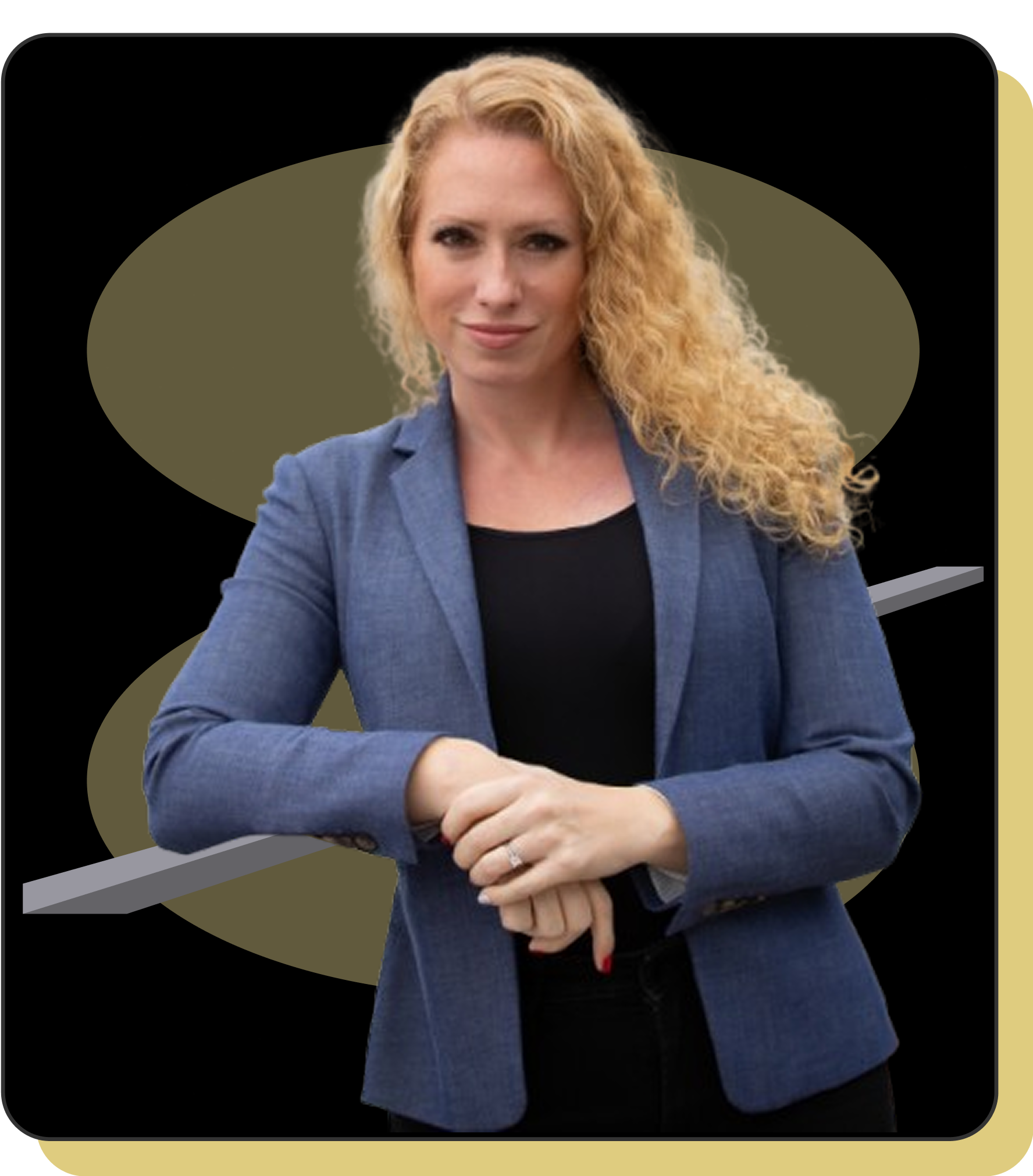
Tanya Hilts, CPB, FCPB, CFCC, AIA, L5CA, is the founder of Cloud Business Services Inc. and Cashflow Coach. With over 16 years in bookkeeping and a background in corporate finance, she helps business owners understand where their money is going, take control of their cash flow, and make better financial decisions.
Known for her practical, no-fluff approach, Tanya works closely with small business owners and mentors bookkeepers to step into more strategic roles. Her work is grounded in real-world experience, including decades of supporting businesses through audits, growth challenges, and financial recovery.
🌐 www.plan4profit.co
🌐 www.cloudbusinessservices.ca
🔗 https://www.linkedin.com/in/cloudbusinessservices/
Read more Thought Leadership at Jass Malaney: Elevated Mindset Thought Leadership. Elevating Leaders from Within