

Most employee assistance programs were designed around a specific employee: an adult dealing with stress, burnout, or a personal crisis of their own. Somewhere in the benefits package there’s usually a line about “family support” too, a few counseling sessions, maybe a referral line. It looks good. In practice, for a parent trying to get help for a child’s mental health, it rarely functions as coverage at all.
The gap isn’t a lack of good intentions. It’s a mismatch between how these programs were built and what the problem actually requires.
Why utilization stays low
EAPs consistently report low utilization for mental health resources generally, and child-related resources fare worse. Part of this is trust: employees don’t believe the service will actually help, so they don’t try. Part of it is design: a benefit built around adult, individual, English-language, business-hours counseling doesn’t match how a working parent needs to access support for a child.
A single working mother in Manila with a distressed ten year old needs something available at 8pm in a language her child speaks, not a referral number that connects to a provider in a different country and a different healthcare system.
Add to this a structural blind spot: most EAP contracts weren’t written with children as end users at all. The child isn’t the employee, they aren’t on payroll, and often they aren’t clearly covered by the plan’s clinical scope. HR teams frequently don’t know whether their own benefit extends to a dependent’s mental health need until an employee asks, and by then the employee has usually already given up and gone looking elsewhere, or not looked at all.
The result: a benefits line that shows up in the total rewards deck, and a workforce that quietly doesn’t use it when it matters most.
What a functioning benefit actually looks like
A child mental health benefit that works has a few non-negotiable features:
1) It reaches the child directly, not just the parent. A referral line that hands a stressed parent another phone number to call isn’t support, it’s a second job. The benefit needs to actually engage the child, in an age-appropriate way, without requiring the parent to do a degree to understand how to use it.
2) It works outside the geography it was designed for. A global workforce means a global set of childhoods: different languages, different school calendars, different norms around discussing mental health at home. A benefit that only functions well for a UK or US family isn’t a global benefit, it’s a domestic one with a passport stamp.
3) It’s available on the family’s schedule, not the clinic’s. Evenings, weekends, school holidays. Waiting two weeks for an appointment slot doesn’t help a child who’s struggling this week.
4) It’s clinically grounded, and the employer can verify that, not just take it on faith. This is the part most benefits teams skip, not out of carelessness, but because nobody taught them what to ask.
The vendor questions HR teams should be asking
Any company selling a child mental health product into the benefits market should be able to answer four questions clearly. If they can’t, well… you have your answer.
What’s the evidence base? Not marketing copy about being “evidence-informed,” but a specific answer: which therapeutic frameworks, which outcomes data, reviewed by whom.
How was safety validated, and by whom? A product interacting with a five year old in a mental health context needs to detect a crisis correctly, know when to stop and refer to a human, and hold up under adversarial and repeated testing, not just a single clean demo. Ask for the framework. Ask who evaluated it. If the answer is internal-only, ask why there’s no external validation.
Does it actually reach the workforce you have? If the company has employees in 12 countries, ask whether the product works in 12 countries, in the languages spoken at home, not just the languages spoken at headquarters.
What does it cost the family, not just the employer? A benefit that still leaves a meaningful copay or gap is a benefit that a lower-income employee, often the one who needs it most, still can’t use.
None of these questions require a clinical background to ask. They require knowing that “AI-powered” and “clinically validated” are two different claims, and that right now, nothing stops a vendor from using them interchangeably.
What’s at stake for HR
Benefits leaders are being asked to solve a problem that’s newer than most of their contracts. Mental health conditions in children are common, mostly untreated, and increasingly a workforce issue as much as a family one. The EAP model most companies are running today was built for a different era and a narrower definition of who the employee’s dependents are and what they need.
Fixing this doesn’t require abandoning the EAP. It requires treating the child mental health line item the way a company would treat any other benefit with real financial and human stakes: with actual due diligence, not a checkbox.
The question for HR teams isn’t whether to offer something. Most already do, on paper. The question is whether what’s on paper actually reaches a struggling child at 8pm on a Tuesday, in a language they understand, before the crisis gets worse. If the answer is no, the benefit isn’t underused. It was never built to be used in the first place.
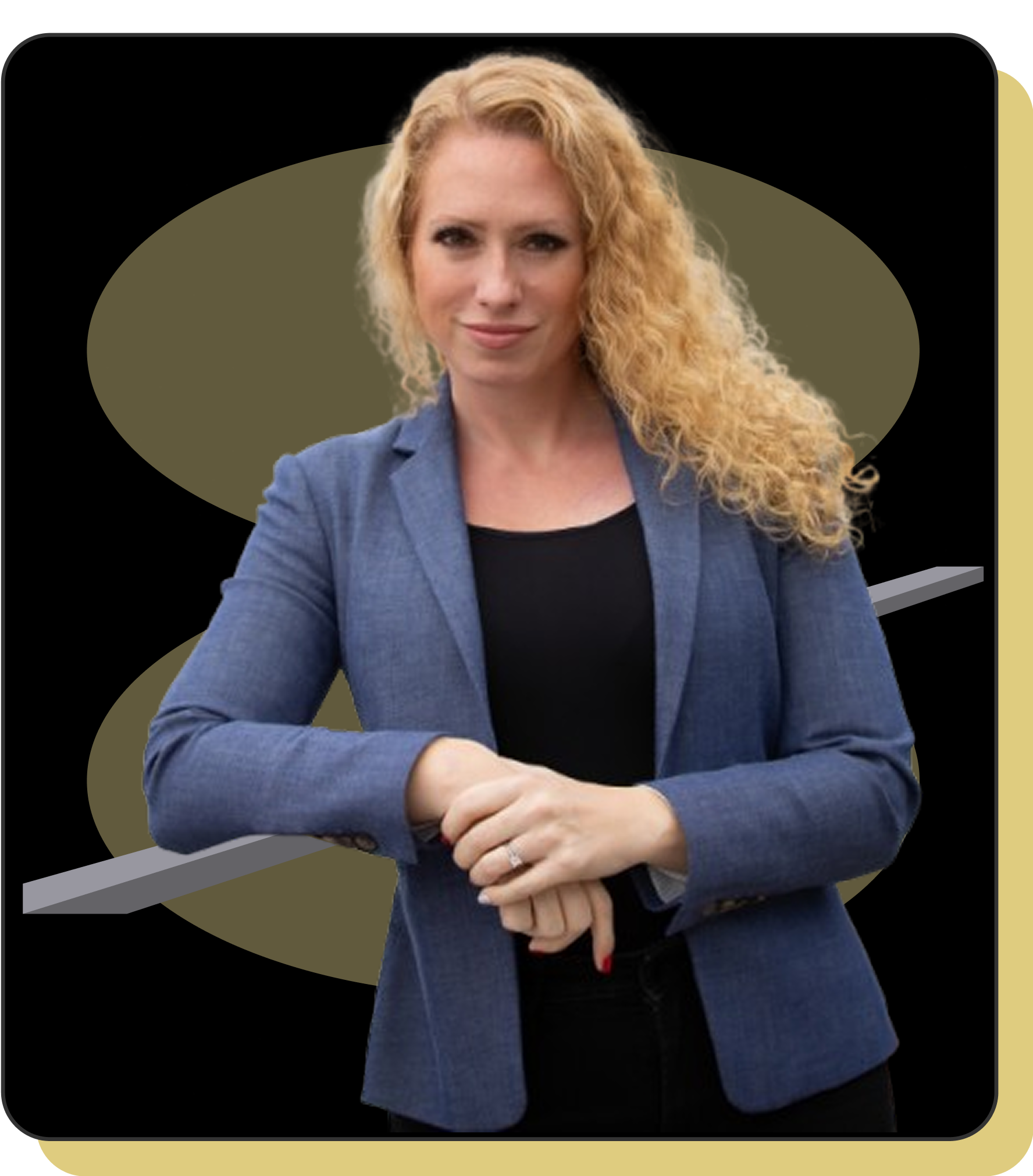
Dr. Louise Metcalf is Cofounder and President of GHEORG, an AI-enabled digital mental health platform serving thousands of children across 78 countries. She holds a PhD in Science and Psychology, and is a registered psychologist. She leads the development of VERA-MH-P, the first AI safety evaluation framework for paediatric mental health AI.
Read more on thought leadership at The Age of Infrastructure: Why Resilience Has Become the Defining Investment Theme of the Decade