
Why exceptional performance does not always translate into leadership opportunities, and what women and organizations must do differently.
There is a question I have asked women throughout my years of leadership development and executive coaching: What good is having the qualifications, experience, and ability to lead if the people making decisions never recognize your potential?
It is a question that deserves serious consideration.
Every day, talented women enter workplaces prepared to contribute, solve problems, and deliver results. They pursue advanced degrees, develop specialized skills, exceed expectations, and demonstrate an unwavering commitment to excellence. Yet many find themselves watching leadership opportunities pass them by.
Why?
Because competence, while essential, does not automatically translate into visibility, influence, or advancement.
This is what I call the Leadership Visibility Gap, the distance between what a woman is capable of accomplishing and what others recognize, acknowledge, and reward.
Until we address that gap, organizations will continue overlooking some of their greatest leadership resources.
The Unspoken Rules of Advancement
Throughout my career, including more than two decades of military service, federal government leadership, and years working with women professionals and entrepreneurs, I have learned that advancement involves more than doing an exceptional job.
Many of us were taught that hard work speaks for itself. We believe that if we remain dedicated, perform consistently, and demonstrate our value, someone will eventually recognize our contributions.
Unfortunately, that is not always how advancement works.
Performance establishes credibility, but visibility helps ensure that credibility reaches the people who influence opportunities.
I have encountered accomplished women who hesitate to discuss their achievements because they fear appearing boastful. Others believe that acknowledging their accomplishments somehow diminishes their humility.
But there is an important distinction between arrogance and professional self-advocacy.
Acknowledging your accomplishments is not bragging. It is taking ownership of the value you bring.
When women consistently minimize their contributions, they risk allowing others to define their professional worth.
When Excellence Becomes an Invisible Ceiling
One overlooked challenge is that a woman’s reliability can sometimes work against her advancement.
Consider the woman who consistently exceeds expectations, solves difficult problems, and becomes the person everyone depends upon. She is respected, trusted, and frequently called upon when challenges arise.
Yet when a senior leadership position becomes available, she is overlooked.
Her competence is recognized, but her leadership potential has not been adequately developed or communicated.
Sometimes organizations become so accustomed to women performing essential work that they fail to envision them in more influential positions.
This creates a troubling contradiction: the qualities that make women valuable contributors can also leave them professionally overlooked.
Organizations must ask themselves an uncomfortable question:
Are we developing our most capable women for leadership, or simply depending on them to keep everything running?
There is a significant difference.
Visibility Is Not About Being the Loudest Person in the Room
When I encourage women to become more visible, I am not suggesting they seek attention for attention’s sake.
Leadership visibility means ensuring that your ideas, contributions, judgment, and potential are recognized by those who can support your professional growth.
It involves participating in meaningful conversations, pursuing strategic assignments, sharing informed perspectives, and demonstrating readiness for greater responsibility.
Visibility also requires courage.
I often remind women that remaining within their comfort zones may feel safe, but comfort does not always create opportunity.
Sometimes, the next level requires speaking when you would rather remain silent, pursuing an opportunity before feeling completely ready, or entering a room where you may be the only woman at the table.
My leadership philosophy, Show Up to Rise Up, reflects a principle I have embraced throughout my professional journey: meaningful advancement begins with the decision to participate rather than remain on the sidelines.
But showing up is only the beginning.
You must also contribute, communicate your value, and demonstrate your capacity to lead.
Your voice is not an interruption. It is a contribution.
Confidence Alone Will Not Close the Gap
We frequently hear that women need more confidence to advance. While confidence matters, this explanation is incomplete.
Not every woman who has been overlooked lacks confidence. Some possess extraordinary competence and confidence but work in environments where their contributions are undervalued, their ideas are dismissed, or advancement depends on relationships they have not been given opportunities to develop.
We cannot place the entire responsibility for advancement on women while ignoring organizational practices that influence who gets noticed.
Confidence without access to opportunity has limitations.
Organizations must examine how they identify leadership potential, distribute high-profile assignments, select candidates for promotion, and provide access to influential decision-makers.
Are opportunities communicated openly? Are promotion criteria transparent? Are women receiving meaningful feedback and access to sponsors who advocate for their advancement?
Leadership development must be more than a conversation about individual ambition. It must also address organizational accountability.
From Recognition to Real Opportunity
Closing the Leadership Visibility Gap requires intentional action from women and the organizations they serve.
For women, the first step is recognizing that professional visibility is not something to apologize for.
Document your accomplishments. Communicate measurable results. Build relationships beyond your immediate responsibilities. Seek opportunities that demonstrate strategic thinking and decision-making.
Most importantly, stop waiting for someone else to give you permission to pursue your next level of success.
For organizational leaders, the responsibility is equally important.
Identify capable women before leadership positions become vacant. Provide challenging assignments that prepare them for advancement. Create sponsorship opportunities, not simply mentoring relationships.
Mentors provide guidance. Sponsors use their influence to advocate for opportunities.
Both are valuable, but they serve different purposes.
Leaders must recognize that rewarding performance and developing leadership potential are not necessarily the same thing.
When organizations make leadership opportunities more accessible and advancement decisions more transparent, everyone benefits.
The Leadership Responsibility We Cannot Ignore
As leaders, our responsibility extends beyond individual success.
We must recognize potential in others, create opportunities for emerging leaders, and challenge practices that prevent capable individuals from advancing.
Leadership should never be measured solely by the position we hold or the authority we exercise. It should also be measured by the people we help develop and the opportunities we create for those coming behind us.
I have spent much of my professional life encouraging women to recognize their worth, step beyond their comfort zones, and understand that their experiences and perspectives matter.
But encouragement must be accompanied by opportunity.
We cannot tell women they belong at the leadership table while continuing to overlook them when seats become available.
That is not leadership development. That is a missed opportunity.
The Future of Leadership Requires More Than Competence
The future of leadership will not be determined simply by how many qualified women enter the workforce. It will depend on how effectively organizations recognize, develop, and advance their talent.
Women must advocate for themselves, communicate their contributions, and pursue opportunities with intention.
Organizations must examine the systems and assumptions influencing recognition and advancement.
Closing the Leadership Visibility Gap is not about giving women an advantage they have not earned. It is about ensuring that the talent, experience, and leadership potential they have already demonstrated are neither overlooked nor undervalued.
Competence may qualify you for the opportunity. Visibility helps others recognize your readiness. But equitable leadership practices help ensure that opportunity becomes a reality.
And to every woman who has questioned whether her voice matters, whether her contributions are enough, or whether she belongs in leadership, I leave you with this thought:
You do not have to diminish your accomplishments to demonstrate humility, and you do not have to wait until someone recognizes your potential to begin recognizing it yourself.
Show up. Speak up. Lead.
Your leadership matters.
About the Author:
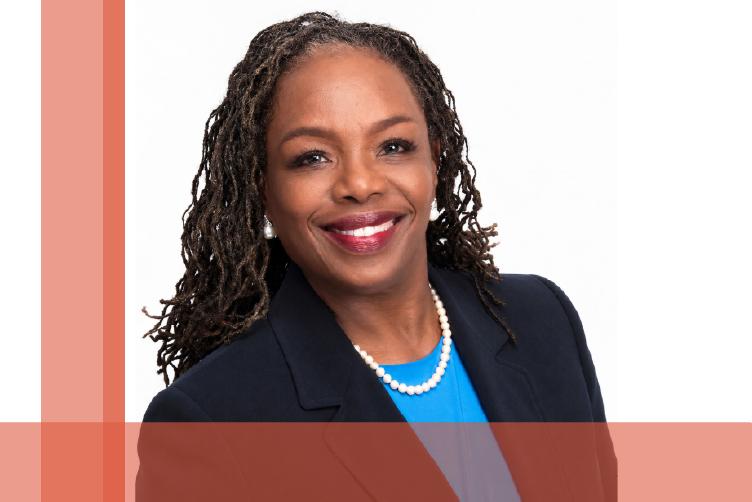
Dr. Madeline Ann Lewis is an International TEDx speaker, bestselling author, leadership strategist, executive coach, and President and CEO of the Executive Women’s Success Institute (EXWSI). A retired U.S. Army veteran and federal government professional, she brings decades of leadership experience to her work advancing women in their careers, businesses, and communities. Through her Show Up to Rise Up leadership philosophy, she encourages women to recognize their value, strengthen their voices, and lead with confidence, courage, and purpose.
Email: madeline@exwsi.com
Read more: When to Walk Away. And When to Stay.