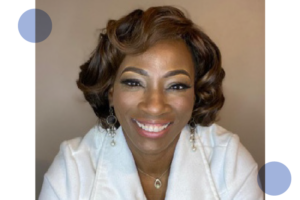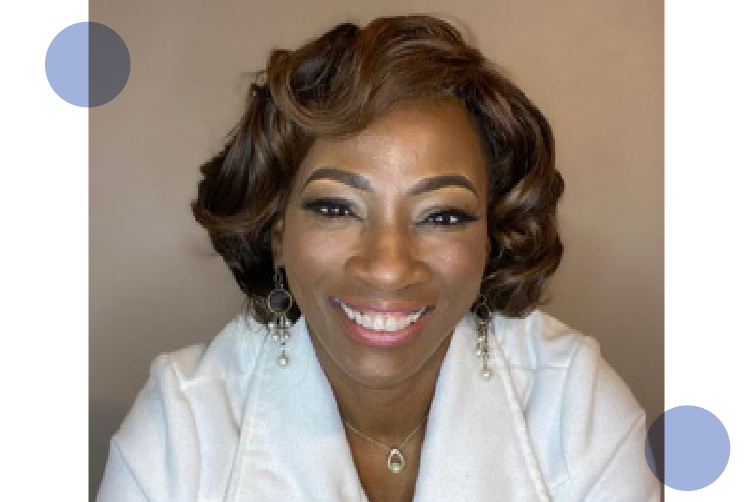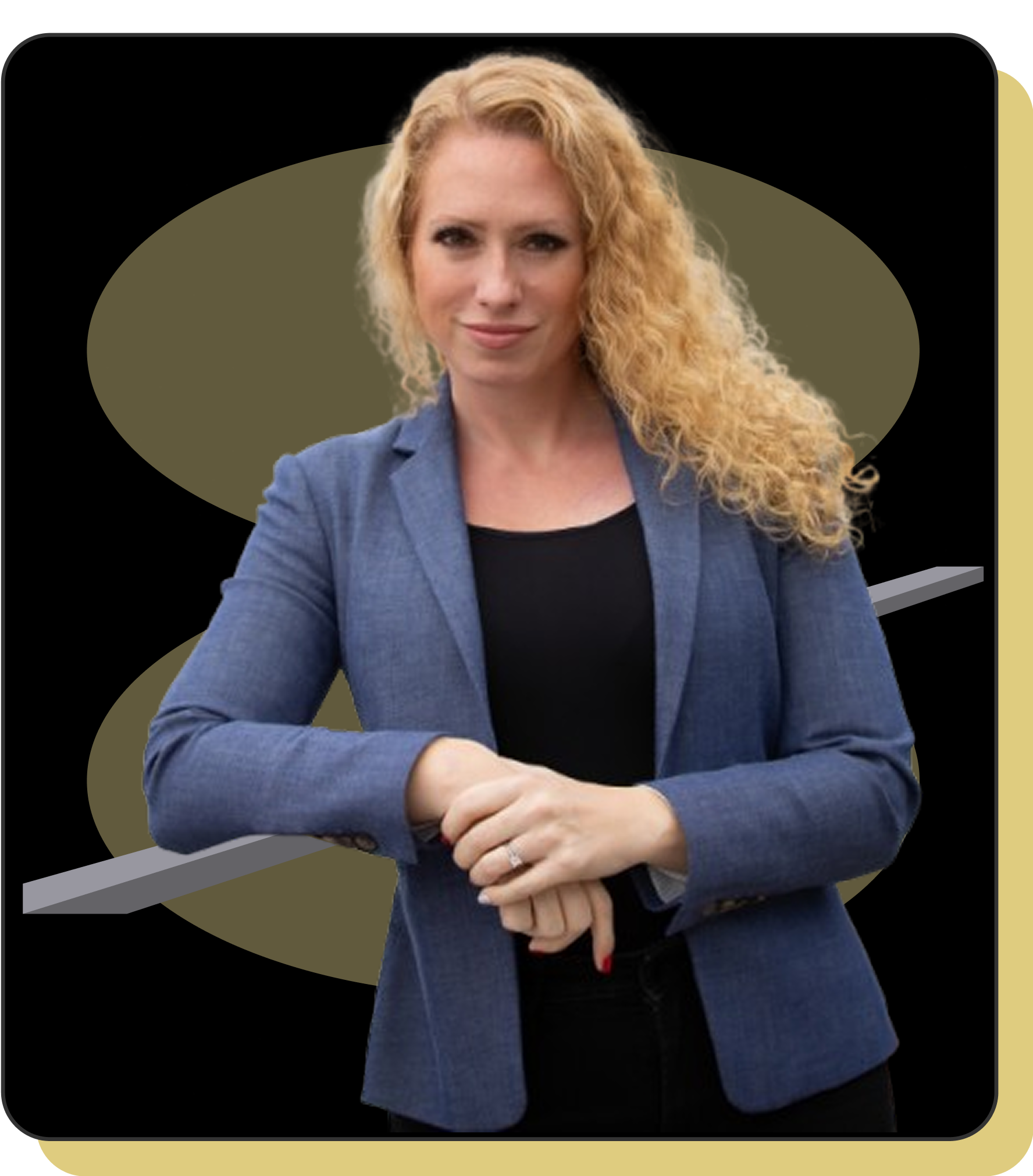

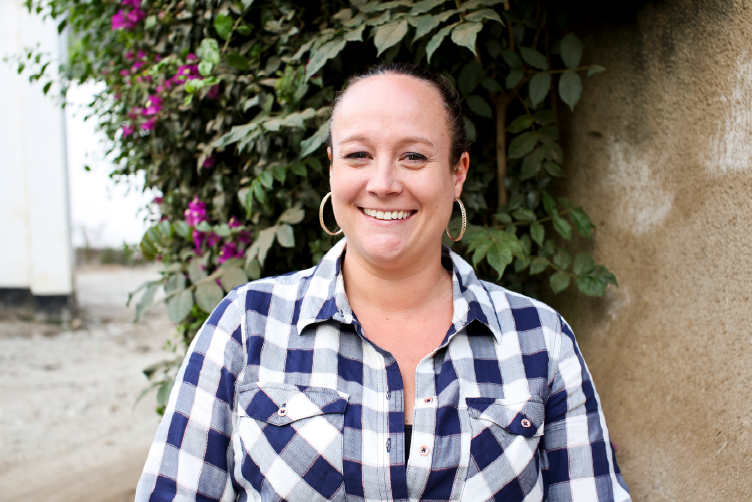
From Melbourne to Tanzania, Carley Mchome has built a life shaped by purpose, persistence, and an unwavering belief in the power of belonging. What began with a desire to “help people” evolved into a deeper calling to create a better future for extremely vulnerable children. Today, as the Founder & Director of Ujamaa Tanzania Foundation, Carley continues to turn that vision into a living family; one built on authenticity, compassion, commitment, and the belief that every child deserves not only a safe place to grow, but a place to always call home.
From Melbourne to Tanzania: A Journey That Was Never Meant to Be Permanent
Carley Mchome grew up in Melbourne, Australia, studied film and photography at university, and eventually found herself building a life in Tanzania, where she has now lived for the past 19 years, far from what she had originally imagined. Today, she is the Founder & Director of Ujamaa Tanzania Foundation, an organisation providing long-term care for extremely vulnerable children in Arusha, Tanzania. Founded in 2010, Ujamaa has grown into a family built around one powerful belief: children need more than basic care; they need belonging, consistency, connection, education, and the confidence to build a future of their own.
Her journey to this work began in 2006, when she first went volunteering in Kenya. At the time, she was simply thinking that she wanted to do something to help people, without really knowing how. Her experience was complicated and exhilarating, but it created a connection with East Africa that Carley did not fully understand at the time.
She knew she wanted to return.
In September 2007, having just wrapped on a film, she came to Tanzania. She did not plan to stay long term. Instead, she kept extending her time until Tanzania gradually started to feel like home.
“I spent the first few years volunteering in community organisations, learning Swahili and understanding Tanzanian culture,” she recalls. “It was so different and exciting and often overwhelming, but I was in love. With the country and the people and the connection to helping others.”
That connection would eventually become the foundation of her life’s work.
Seeing the Gap Between Care and a Future
Before Ujamaa came into existence, Carley opened a hostel for volunteers with her partner at the time, creating low-cost volunteering experiences with grassroots organisations. She had seen how many people wanted to help but did not know how, while money could be wasted through large corporations peddling “volun-tourism.”
The idea was to create a link where people could spend their time and money in a valuable way, while ensuring that local organisations were the ones receiving that value.
But through this work, Carley began to see a deeper and more consistent issue.
“I could see there was a consistent issue in residential care development programs with a lack of lasting impact or positive outcomes for the kids in care. There were a lot of children and young adults receiving basic needs care: food, accommodation and, if they were lucky, some education (which of course is vital), but they were then sent back out into the world at 16 years with no ability to really take care of themselves, and their cycle of poverty and trauma continued,” she recalls.
“I knew there had to be a better way and that if we could care for kids in the long term and into adulthood, then they could genuinely go into the world as productive members of society. I was compelled by the idea of how belonging and being a part of a family unit impacts future success. How feeling not just safe, but connected changes who you are in the world,” Carley adds.
The Two Girls Who Became the Beginning of Ujamaa
In 2009, Carley had her first child. Soon after, she was confronted with the need to find immediate safe care for two young girls who had been kicked out onto the streets.
They were nine and eleven years old and literally had nowhere to go.
Carley struggled to find a placement where she felt confident they would receive care. Rather than accepting that there was no better option, she decided to create one.
Ujamaa was born.
When those first two young girls came into her care, the family grew almost immediately. Carley quickly learned that one of the girls had a little brother who had been left behind and was very ill. The siblings were reunited. Soon after, Carley was asked to take in four-year-old twins who were also at risk.
This became the foundation of the Ujamaa Family.
In March 2010, the NGO was registered in Tanzania, alongside the registration of its Charitable Trust in Australia at the same time.
From the beginning, Carley knew that Ujamaa could not be built around a temporary solution. The commitment would not end when a child turned 18.
“We knew from the beginning that we would not stop supporting our kids when they turned 18 and that we wanted them to be fully educated and capable of gaining employment before they went out on their own into the world – and even then – they always have a place to come home to.”
That principle remains central to Ujamaa today.
Ujamaa: The Meaning Behind the Mission
Ujamaa, pronounced “ooh-jah-mah,” is a Swahili word that essentially means familyhood and the concept of individuals working for the good of the whole community.
For Carley, the meaning of the word perfectly reflects the organisation’s ethos.
In the beginning, the idea was simple: what does family mean and how does it impact future success? That question continues to guide Ujamaa.
“This combined with the knowledge that kids in residential care need long-term, consistent and reliable support – and that support needs to continue beyond 18 years. That remains the focus of what we do today; however, the process of supporting children individually and managing trauma experiences in an extremely under-resourced environment is extraordinarily challenging. There is no quick fix, and no two children are the same, so providing trauma-informed care for extremely vulnerable children requires us to constantly adapt and grow and learn,” she shares.
Growing a Family, Not Just an Organisation
Since 2010, the Ujamaa Family has continued to grow. Today, the organisation supports 22 children aged between two and 18 years at Ujamaa Children’s Home, alongside six young adults who have graduated into its Forward Together program. Four adults have already moved on to gain employment and live independently.
The physical environment has evolved alongside the mission.
“I designed a purpose-built forever home which was completed in 2016, and we are in the process of designing our next stage living home for those in our Forward Together program,” assures Carley.
This expansion reflects a belief that support cannot simply stop at the point when a child becomes an adult legally.
For young adults coming out of residential care, the years between 18 and 22 can be a particularly vital period of support. Ujamaa recognised this need from the beginning, and Carley’s next-stage living vision is designed around that understanding.
The organisation has now bought land to build this next-stage home for young adults moving into Forward Together.
It is another step in a journey that has always been about creating a place where children can grow into adulthood with stability, opportunity and a family to return to.
Leadership Shaped by Family, Hard Work, and Justice
Carley’s leadership has been deeply influenced by her own family.
Her father was a very successful businessman, while her mother took incredible care of their family and was always involved in charity work and event planning.
Both had a traditional view of hard work and being dedicated to whatever you are doing.
For Carley, these influences came together in an unusual but powerful way: taking the desire to help others through a business lens.
That combination has helped shape the success of Ujamaa.
There have been many moments when the organisation has felt overwhelming, and the challenges have seemed too great. During those moments, determination has been essential for her to continue on this path.
“I believe in authenticity, dedication and justice, and these are the pillars of Ujamaa. You must believe in what you are doing to work through the challenges, especially in development, where success is not measured on your P&L. Fundraising is constant and engaging supporters in your vision is ongoing and can be tiring. I take so much joy in seeing our success and would love to do even more in the community – but that always requires more funding! Ujamaa only works with the support and connection of others – there is an African quote that I love: If you want to fast, go alone – if you want to go far, go together,” says Carley.
A Responsibility to Advocate for Children
Carley describes entering the development sector in many ways as something she “fell into.”
She initially came into development with a naïve point of view of simply “wanting to help people,” without really knowing exactly what that would look like or how to do it effectively.
But when she saw the need and realised that her approach could work differently, she could not unsee it.
She had to try to make a change.
Looking back, she sometimes wonders how she had the courage to leave her family and home and begin a new life in a completely new world.
But there was a belief that continued to guide her:
As adults, there is a responsibility to advocate for children because they cannot advocate for themselves, and she knew there must be a better way for children in residential care to grow up.
For Carley, that responsibility became inseparable from the work of Ujamaa.
Learning by Doing — and Never Stopping
Building Ujamaa has been a continuous education.
In the early stages, being younger allowed Carley to take risks and trust in outcomes. But the journey also brought an enormous amount to learn.
She had to navigate an entirely different government system that was constantly changing, understand cultural norms and expectations, learn a new language and deal with challenges involving water and power supplies.
She had to learn about trauma and complicated health needs, while simultaneously figuring out fundraising, accounting, social media and the countless operational responsibilities required to sustain an organisation.
And, as she openly acknowledges, she did not always do things well.
But that has never stopped the learning process.
Carley constantly seeks support—not only financially, but also through expertise in areas where the children need help, particularly because there are limited available resources in Tanzania.
Her approach has remained simple: “If not you, then who?”
The children are always kept at the forefront of her mind, with the goal of giving them the best opportunities possible.
When There Is No Safety Net, You Build One
For Carley, being adaptable is key.
“Ujamaa exists in an extremely bureaucratic society where there is no welfare system of any kind. There is no aged care, no disability care, no child support – so for children who have no safe space to live, there is no safety net – and we provide that for them. If we need something – we have to find it. If we don’t know how to do something – we have to learn. We support several children with complicated health needs. We have provided lifesaving surgeries for 3 of our children. We are constantly learning and seeking out the best ways to support our Ujamaa Family. Being adaptable is key, and if at first you don’t succeed – keep trying!” she shares.
Small by Design, Individual by Commitment
Ujamaa’s difference lies in its focus on individualised care, emotional well-being and a long-term commitment to supporting its children.
“We specifically focus on children who do not have a safe home environment and where reunification is not an option. Life is not a straight path, and we learn to pivot when facing challenges. Our success is not defined by numbers. We are small-scale by design so that we can provide the highest quality care at an individual level and create lasting change,” Carley assures.
It is about ensuring that growth never compromises the quality of care, emotional connection or sense of family that defines Ujamaa.
Innovation Through Holistic Care
Innovation at Ujamaa does not necessarily mean technology or a single transformative product. It is found in the organisation’s willingness to approach health, well-being and development differently in an environment where mental health remains extremely under-resourced and misunderstood.
When communities are struggling, there is often no capacity to prioritise mental health, nor are there sufficient support structures in place to provide assistance.
Ujamaa therefore takes a holistic approach to health and well-being.
“At Ujamaa, we take a holistic approach to health and well-being. We respect Tanzanian culture while incorporating additional approaches to ensure the children in our care are getting specialised and individualised care, so that they can thrive in the future. Our focus is to create an environment for opportunity and change, while understanding that there is no straight line to success. It is in our missteps where learning happens, and it takes time and patience for each of us to walk our path,” asserts Carley.
“At Ujamaa, we believe that consistency and commitment are the key to success while valuing individuality, and we are always seeking new resources to provide the best support for any given need,” she adds.
Leading Without Losing the Sense of Family
As Founder, Carley believes you tend to need to jump into everything, especially in the early stages and when relying on fundraising; you need to be as fiscally responsible and transparent as possible to ensure funds are being used in the most effective way.
Ujamaa prides itself on keeping administrative costs as low as possible, generally less than 10% of its funding. Its Trustees in Australia and the UK volunteer their time and expertise, while the paid staff are the hardworking Tanzanians on the ground with the children every day.
At the heart of that work is an incredible team of 12 staff members who provide care for the children and work together as part of a family unit to create stability and support.
Among them is Operations Manager Fatuma, who has worked her way up from being a Caregiver.
Carley describes her as the “rock and heart” of on-the-ground management. Fatuma has a clear investment in the purpose of Ujamaa and is personally connected to every child in its care.
“As a leader, I want to facilitate growth in my organisation and in my staff, but it is my responsibility to ensure that we are staying clear with our vision and our quality of care. I am focused on finding the best solutions, not the easiest ones. I am constantly striving for the best outcomes while recognising that it will look different for each individual. Growth is important, but it cannot impact the sense of family and belonging that we have created at Ujamaa – so it is a constant balance of how we can support as many kids as we can while keeping the high level of care and connection,” Carley assures.
Authenticity. Compassion. Commitment. Adapting.
Carley distils her leadership into four words: Authenticity. Compassion. Commitment. Adapting.
Her story demonstrates that leadership can emerge from an unexpected journey. It can begin with uncertainty, develop through experience and become stronger through responsibility.
Carley’s Advice: Lean Into Who You Are
For entrepreneurs and leaders, Carley’s message is rooted in individuality and consistency.
“It is your uniqueness that makes you great, and there is always room for more. Lean into who you are, and the right people will respond positively. Success happens through consistency and in the alone (sometimes boring) work behind the scenes, not on the reels.”
It is advice that reflects her own journey.
The work behind Ujamaa has rarely been simple or glamorous. It has involved learning new systems, navigating uncertainty, fundraising, understanding trauma, solving unexpected problems and continuing even when the challenges felt overwhelming.
But it has also been about consistency.
About showing up.
About commitment.
About creating a family where children who once had nowhere safe to go can find belonging and where, even after they leave, they always have a place to come home to.
Read more latest Exclusive Interviews at How Adriana Yuno Is Redesigning Education for a New Generation of Learners