

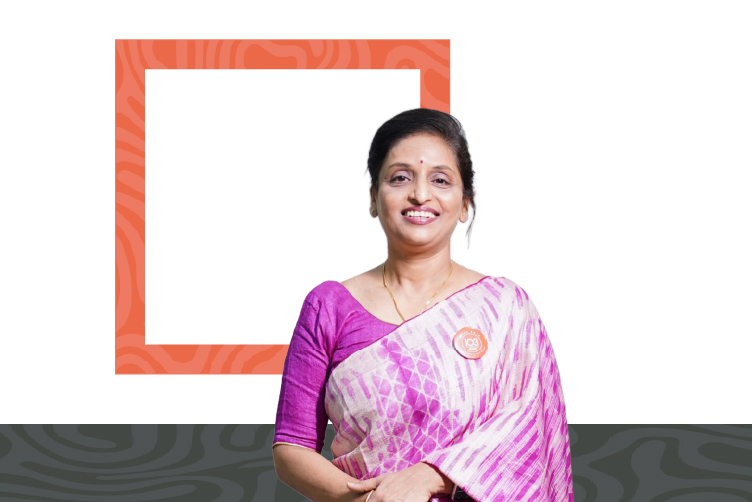
At the intersection of heritage, innovation, and inclusive development stands Dr. Megha Vivek Phansalkar—a visionary who has transformed the narrative of India’s artisan communities. As the Founder of Tisser Artisans Trust, established in 2016 and headquartered in Mumbai, she is not merely building an enterprise; she is architecting an ecosystem where tradition meets technology and dignity replaces dependency.
This is not a story of accidental impact. It is a story of intention—shaped by lived experiences, grounded in systems thinking, and propelled by one defining trait: resilience.
A Foundation Rooted in Systems Thinking and Human Potential
“I am trained as an Urban and Regional Planner, with a strong grounding in research, and systems thinking,” shares Dr. Megha.
Her journey begins not in boardrooms but in the layered realities of India’s rural landscapes. While her academic foundation provided the tools to analyze complex socio-economic systems, it was her field experience that gave her a clear sense of purpose.
Her transition into the development sector evolved through extensive on-ground work across rural India, where she engaged closely with artisan communities. These experiences shaped her understanding of communities as ecosystems of talent and untapped potential, rather than passive beneficiaries.
This shift in perspective—from beneficiaries to ecosystems—became the philosophical cornerstone of her work.
“One word that truly captures who I am is resilience—a steady, purpose-driven resilience rooted in long-term impact, trust-building, and my commitment to inclusive development,” says Dr. Megha.
The Moment That Redefined Everything
Great journeys often pivot on a single moment of truth. For Dr. Megha, that moment came not from a strategy document, but from a voice in the field.
“My most influential experiences have come from my interactions with rural artisans. One pivotal moment was when a woman artisan told me, ‘We do not lack talent; we lack opportunity,’” she recalls.
That sentence did more than resonate—it redefined her approach.
“That statement deeply shaped my thinking and became the foundation of my work—shifting my approach from charity-driven efforts to building sustainable, dignified economic opportunities,” she adds.
In that shift lies the essence of her leadership: moving away from aid toward empowerment.
From Structural Lens to Human-Centric Impact
Her academic background in Urban and Regional Planning equipped her with systems thinking, analytical frameworks, and a deep understanding of interconnected socio-economic structures. Combined with her fieldwork, this enabled her to approach development holistically—designing interventions that integrate skill development, market access, and institutional linkages rather than isolated solutions.
“My transition into the artisan and livelihood sector was not immediate,” says Dr. Megha.
Initially, she approached communities through a structural and planning-oriented lens. However, her field exposure revealed a contradiction that demanded attention.
“With my background in planning and development systems, I initially approached communities from a structural lens. However, my field exposure revealed a stark contradiction: highly skilled artisans preserving cultural heritage were economically marginalized,” she explains.
This realization was not just observational—it was transformational.
“Reinforced by lived experiences in the field, this became the turning point that led me to dedicate my career to artisan empowerment,” she adds.
Building with Purpose: The Birth of Tisser
“I founded Tisser Artisans Trust in 2016 with the mission to move beyond charity and build pathways for sustainable, dignified livelihoods for artisans,” says Dr. Megha.
From its inception, Tisser was designed not as a conventional organization, but as a model for systemic change.
“My core idea was to recognize artisans as entrepreneurs and custodians of cultural identity. Over time, this mission has evolved into building a comprehensive ecosystem that integrates design innovation, digital inclusion, and market access while preserving heritage,” she explains.
Navigating Early Challenges with Conviction
The early days of building Tisser were marked by complexity and resistance.
“In the early stages, I faced challenges such as fragmented supply chains, limited capital, and skepticism around the commercial viability of the artisan sector,” says Dr. Megha.
Layered onto these structural barriers were the realities of gender bias.
“As a woman leader, I also encountered biases that required me to repeatedly establish credibility. I addressed these challenges through consistent field engagement, building trust with artisan communities, and demonstrating viable, impact-driven enterprise models,” she adds.
Redefining the Artisan Economy Through Innovation
Through Tisser, she has built an integrated model that combines skill development, design innovation, digital inclusion, and market access.
Today, Tisser’s scale and scope reflect the strength of its foundational vision.
“We currently support over 100 traditional art forms and have developed a portfolio of more than 1,000 handcrafted products,” says Dr. Megha.
What truly distinguishes the organization, however, is its forward-looking approach.
“I have also led initiatives such as ‘CraftTech,’ which includes digital literacy, e-commerce onboarding, AI-driven craft mapping, and traceability systems. Our ‘Waste-to-Wealth’ initiatives further reflect our commitment to sustainability and circular economy principles,” she adds.
The Role of a Leader: Vision, Systems, and Sustainability
“My key responsibilities include setting strategic vision, building and strengthening ecosystems, engaging stakeholders, and ensuring the long-term sustainability of our impact,” says Dr. Megha.
Her leadership extends beyond execution—it is about enabling continuity.
“I focus on designing scalable models, fostering institutional partnerships, and enabling community-owned enterprises, while also nurturing the next line of leadership.”
This systems-driven approach ensures that impact is not dependent on individuals but sustained through strong structures.
Staying Grounded Amid Scale
“I maintain balance through a strong sense of purpose, disciplined routines, and by staying closely connected to the communities I serve,” shares Dr. Megha.
“My field engagement helps me stay grounded and keeps my work aligned with its core mission, allowing me to maintain perspective despite the demands of leadership.”
In a role that demands constant evolution, her grounding mechanism remains simple yet powerful.
Courage: The Defining Trait of Women Leaders
“I believe courage is the most important quality every woman entrepreneur should possess—the courage to lead differently, to trust her voice, and to challenge existing systems,” says Dr. Megha.
Her perspective reflects both realism and resolve:
“Women leaders continue to face structural biases, credibility gaps, and disproportionate expectations, which make resilience and conviction essential.”
The Road Ahead: Scaling Impact with Integrity
“Over the next two years, I envision scaling our Craft Resource Centers across multiple states, deepening digital and AI integration, expanding global market linkages, and strengthening institutional collaborations,” asserts Dr. Megha.
“I will continue to drive this transformation by leading innovation, building partnerships, and ensuring that our growth remains rooted in dignity and inclusivity.”
Her role in this evolution remains both hands-on and visionary.
A Legacy Beyond Leadership
“My advice is to lead with courage and purpose. Trust your perspective even in uncertain environments, and focus on building systems that create long-term impact rather than short-term success. True leadership lies in opening pathways for others and creating models that outlive individual contributions,” says Dr. Megha.
Reimagining India’s Artisan Future
“Through my work with Tisser Artisans Trust, I have built a model that integrates heritage preservation with modern innovation. Our work spans over 100 art forms and has enabled artisans to access national and global markets,” she asserts.
Her commitment remains unwavering.
“I remain committed to sustainability, inclusivity, and long-term systemic change, with the goal of redefining the artisan economy in India.”
Read For more similar Exclusive articles at Evi Susanti: Leading the Transformation of Sales Leadership in Asia