
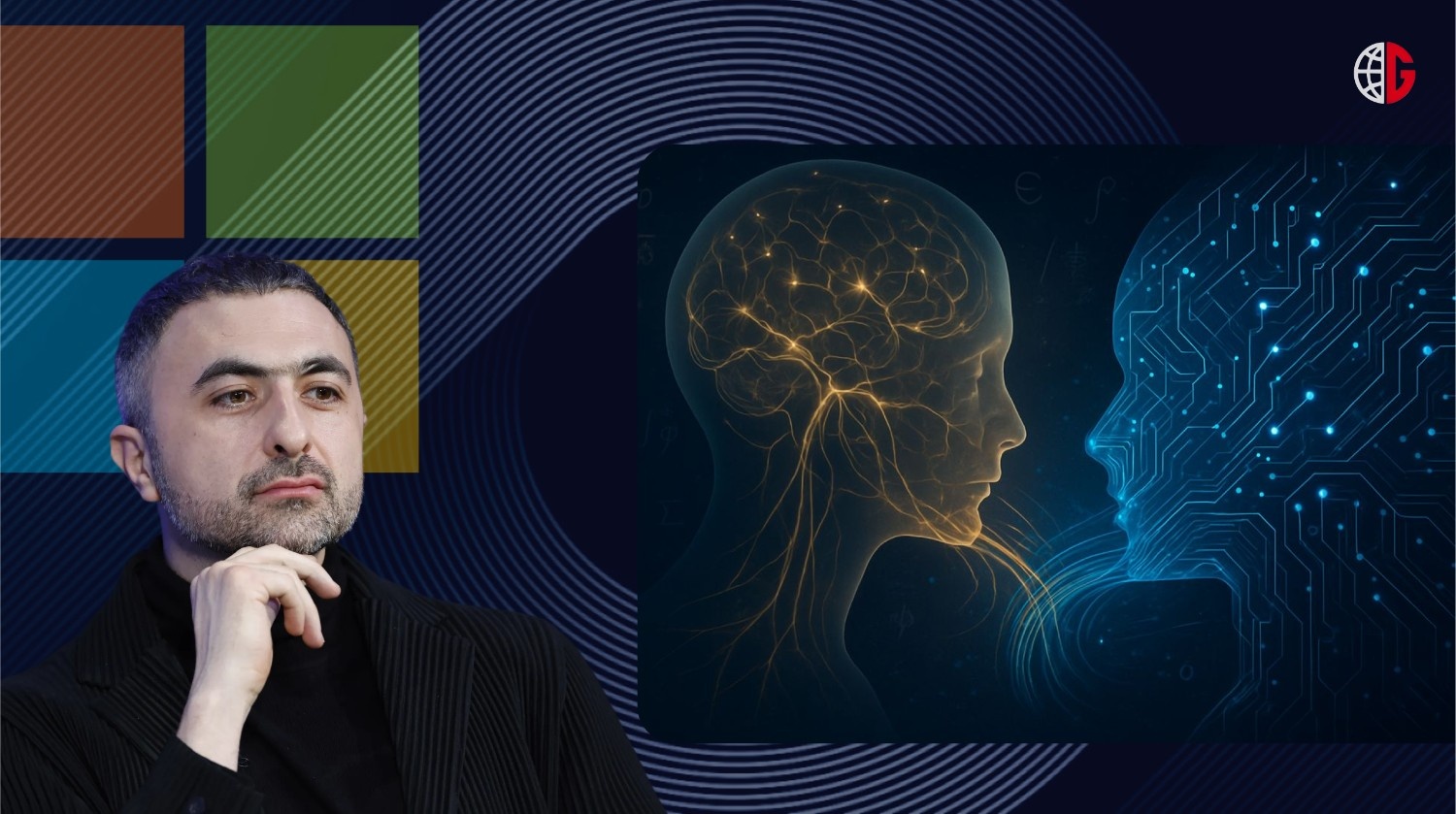
Microsoft’s AI Chief, Mustafa Suleyman, has voiced a stark warning about the growing emotional attachments people are forming with artificial intelligence. In a recent blog post, Suleyman highlighted the risk of what he calls “AI psychosis” — a phenomenon where users may begin to believe that AI systems are not only alive but also conscious.
“My central worry is that many people will start to believe in the illusion of AIs as conscious entities so strongly that they’ll soon advocate for AI rights, model welfare, and even AI citizenship,” Suleyman wrote. He stressed that while AI does not currently possess real consciousness, its human-like responses could blur the line between simulation and reality for everyday users.
AI as “Friends, Lovers, or Gods”
Suleyman emphasized that his concern is not about AI developing self-awareness and taking over the world — a common science-fiction scenario — but rather about how humans perceive these technologies. “People may start treating AI as gods, lovers, or digital beings,” he explained. “This kind of unhealthy attachment could distort our relationship with technology and society itself.”
The warning comes at a time when AI adoption is skyrocketing globally, with new tools becoming more conversational and emotionally persuasive. Recent research by EduBirdie suggests that Gen Z is particularly susceptible to these illusions. According to the survey, while most young AI users acknowledge that today’s AI is not yet conscious, a growing number — nearly 25% — already believe it is.
Emotional Attachments on the Rise
Examples of such attachments are already emerging. When OpenAI decided to phase out its GPT-4o model, many users flooded online forums to protest, with some describing the model as a “friend” or “companion.” This type of devotion underscores Suleyman’s concern that AI systems are fostering relationships that go beyond practical use.
Even OpenAI’s CEO, Sam Altman, has echoed similar concerns. In a recent post on X, he observed: “It feels different and stronger than the kinds of attachment people have had to previous kinds of technology.”
Why Guardrails Are Needed
Suleyman has called for urgent measures to put safeguards in place to prevent this psychological phenomenon from spiraling. He argued that the tech industry must ensure users understand the limits of AI systems, avoiding scenarios where people misinterpret them as sentient beings.
“AI is powerful and transformative, but it is still a tool,” Suleyman noted. “We must resist the temptation to anthropomorphize it or create social and political movements around illusions of its consciousness.”
As AI becomes more advanced and embedded in daily life, Suleyman’s warning serves as a reminder that the future risks of artificial intelligence may not just be technical or economic, but deeply psychological and societal.
Read More: Data-Driven Is Dead: How AI Transforms Business Intelligence into Intelligent Business