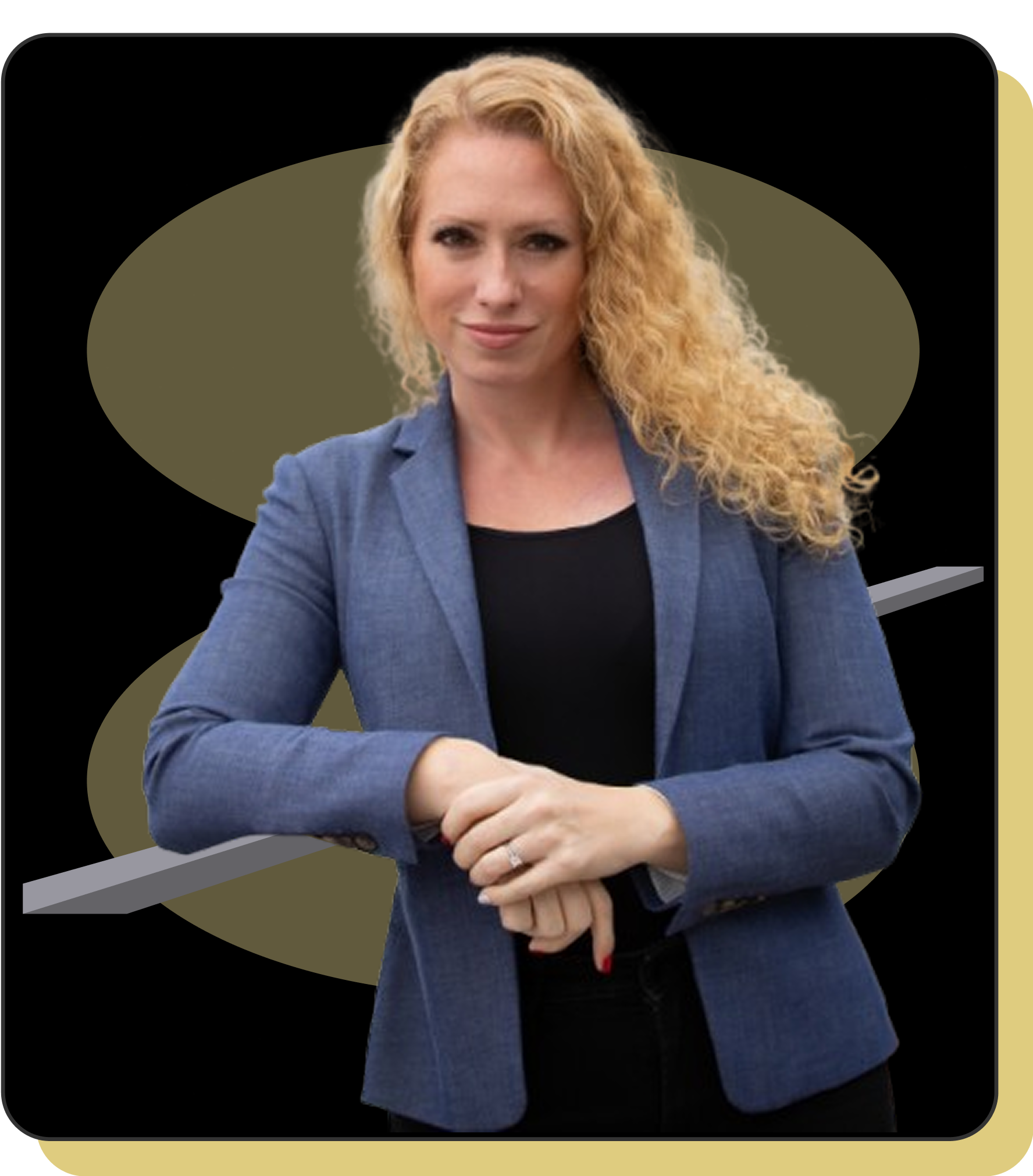


By Mishka Rana — Founder, Iconify Consulting Group | LinkedIn Top Voice | PhD Researcher in Personal Branding
A strange thing has happened on LinkedIn over the past eighteen months. Feeds have become more polished, posts more structured, hooks more punchy — and yet, paradoxically, less memorable. Scroll for ten minutes and you’ll see it: a flood of competent, optimised, oddly-similar content. The em-dashes. The three-line hooks. The “Here’s what I learned” closers. We are living through the Great Homogenisation of Personal Branding, and AI is both the cause and, surprisingly, the cure.
After working with hundreds of founders and professionals at Iconify, and growing my own LinkedIn audience past 2.3 lakh followers, I’ve come to believe that AI hasn’t killed personal branding — it has raised the floor and the ceiling at the same time. Mediocre content is now effortless to produce. But genuinely distinctive personal brands? Those have become rarer, more valuable, and harder to fake than ever before.
Here’s what’s actually happening, what’s working, and where this is all going.
The Paradigm Shift: From Content Creation to Brand Operating Systems
Until recently, personal branding was a content problem. You wrote posts, shared insights, engaged in comments, and slowly compounded an audience. AI has fundamentally restructured that workflow. Today, a sophisticated personal brand isn’t a content calendar — it’s an operating system with four layers:
- Strategic intelligence — AI tools mining your industry for emerging conversations before they trend.
- Ideation and angle-finding — turning a single insight into ten distinct hooks, each tailored to a different audience segment.
- Production and repurposing — converting a podcast into a LinkedIn post, a carousel, an X thread, a newsletter, and a video script in minutes.
- Analytics and feedback loops — AI-powered dashboards that don’t just count likes, but tell you which types of ideasresonate with which types of decision-makers.
The creators winning right now aren’t necessarily the best writers. They’re the best systems thinkers. They’ve built personal brand stacks the way SaaS founders build product stacks.
The Authenticity Paradox
Here’s the counterintuitive truth: as AI-generated content has flooded LinkedIn, the premium on visible humanity has skyrocketed.
Audiences have become remarkably good at sniffing out generic prose. The opening line “In today’s fast-paced world…” now triggers an instant scroll. Posts that read like polished press releases get less engagement than posts with typos, half-formed thoughts, and personal admissions. Vulnerability, specificity, and lived experience — the three things AI cannot fabricate — have become the new currency.
This is what I call the Authenticity Paradox: the more AI you use, the more unmistakably human your output must feel. Personal brands that lean entirely on AI flatten into sameness. Those that use AI to amplify a sharp, specific human point of view stand out even more clearly than before.
The 70-20-10 Framework
In my consulting practice, I teach what I call the 70-20-10 framework for AI-assisted personal branding:
- 70% Human-Original — your point of view, your stories, your contrarian takes, your data from your work. AI shouldn’t touch the idea.
- 20% AI-Augmented — AI helps with structure, hooks, sharpening, editing. The thought is yours; the polish is collaborative.
- 10% AI-Generated — research summaries, post variations, repurposing into different formats. Useful, but never your headline content.
The mistake most founders make is inverting this — letting AI generate 70% and adding a 10% human gloss. The result is content that ranks well algorithmically but builds zero brand equity over time.
The Toolstack That Actually Matters
Beyond ChatGPT and Claude, a quieter ecosystem has emerged. The tools worth paying attention to in 2026 fall into four categories:
- Research and listening tools that surface what your audience is actually asking, in their own words.
- Voice-cloning writing assistants trained on your past content to preserve tone and rhythm.
- Repurposing engines that intelligently fragment long-form ideas across platforms.
- AI-powered analytics platforms that go beyond impressions and tell you which ideas are building your authority.
Notice what’s missing: post-generators. The era of “write me a viral LinkedIn post about leadership” is essentially over for serious creators. The tools that matter now sit upstream of writing, not downstream.
The Ethics Layer Nobody Wants to Discuss
There’s a conversation the personal branding industry is dancing around: disclosure. When your audience trusts you, they’re trusting you — not a model trained on your archive. The early research I’m encountering in my doctoral work suggests that audiences are far more forgiving of AI assistance than AI replacement, but only when disclosure is normalised.
The brands that will earn long-term trust are the ones treating AI the way good journalists treat sources: invisibly useful in the background, ethically transparent in the foreground.
What Comes Next: Avatars, Voice, and the Synthetic Edge
The next eighteen months will introduce a wave of synthetic personal brands — AI avatars trained on real people’s likeness and voice, capable of producing video at scale. Some will be obvious. Many won’t. This will force a re-segmentation of the personal branding market into two tiers:
- Performance brands that optimise for reach and revenue, using synthetic media aggressively.
- Trust brands that double down on real-time, in-person, demonstrably human signals — live events, unedited video, direct DMs, original research.
I suspect the most valuable personal brands of the next decade will live firmly in the second camp. Reach is being commoditised. Trust is not.
The Real Competitive Advantage
After all the tools, frameworks, and trend-spotting, the question that matters is simple: What does your personal brand know, believe, or stand for that no AI could generate from training data?
That’s the question to sit with. Because in a feed where every post can be optimised, only the unoptimisable ideas — the ones rooted in your specific experience, your contrarian convictions, your earned scars — will compound into authority.
AI is the most powerful infrastructure personal branding has ever had. But infrastructure has never built a brand. People do. The leverage is new. The fundamentals haven’t changed.
About Author
Mishka Rana is the founder of Iconify Consulting Group, a LinkedIn personal branding strategist, and a PhD researcher exploring trust dynamics in the creator economy.
Read more on thought leadership at The Quiet Revolution: Why Neuroinclusion and Mental Health Must Be on Every Leader’s Agenda