

When companies begin exploring expansion into a new country, the conversation almost always starts with opportunity.
We hear that a market is growing quickly, strategically located, or aligned with long-term economic trends. Oman, for example, offers political stability, a clear economic vision, and a geographic position that connects Asia, Africa, and Europe. These factors make it genuinely attractive for companies looking to establish a presence in the region.
But opportunity alone has never been enough to drive real investment.
Over the years, working closely with U.S. and other companies entering Oman and Omani companies expanding into the United States, I’ve seen that success depends much more on clarity than on optimism. Executives need reliable information, practical guidance, and trusted local relationships in order to move forward with confidence. Without those elements, even strong interest often remains just that—interest.
The gap between curiosity and commitment is where most expansion efforts either take shape or quietly fade.
The Reality Behind Market Entry Decisions
Companies rarely struggle because they lack ambition or a quality product or service. They struggle because they lack certainty.
Before making a serious commitment, leaders need to understand what operating in a new market will actually look like. They want to know who their customers will be, what the competitive landscape looks like, and whether the regulatory environment supports their business model. They want to understand costs, timelines, and risks—not in theory, but in practice.
This is particularly important in cross-border trade, where assumptions can easily replace facts.
For example, some companies assume that a smaller country may not justify the investment required to enter it. In reality, Oman often serves as a gateway to the broader GCC, East Africa, and South Asia. Others assume that demand for their product will translate directly from one market to another, only to discover that pricing expectations, distribution channels, or certification requirements differ in important ways.
Data brings these realities into focus. It replaces uncertainty with informed decision-making.
The Untapped Strength of the U.S.–Oman Free Trade Agreement
One of the most powerful advantages connecting Oman and the United States is the Free Trade Agreement, which entered into force in 2009. It established a framework that allows most goods to move between the two countries without tariffs and provides U.S. companies with the ability to establish wholly owned entities in many sectors.
These provisions create real competitive advantages. Yet many companies remain unaware of how accessible this pathway is, or how to use it effectively.
Trade agreements do not create investment on their own. They create the conditions for investment. Companies still need to understand how those conditions apply to their specific business, and how to translate legal advantages into practical action.
An American manufacturer may qualify for tariff-free export to Oman but still need help identifying the right distributor or understanding procurement cycles. An Omani company may have a product that is highly competitive in the United States but need guidance on certifications, buyer expectations, or positioning within a crowded market. The framework exists, but execution requires support.
Why Practical Support Matters So Much
One of the most underestimated aspects of market entry is how much small, practical support can accelerate progress.
Sometimes the most valuable assistance is not complex analysis, but clarity—helping a company understand how a regulation applies to them, introducing them to a credible partner, or providing context that allows them to navigate decisions more effectively.
These moments build confidence. They help companies move from hesitation to action.
Without this kind of support, companies often delay decisions or abandon opportunities that might otherwise have succeeded.
The Role of Relationships
While data and policy frameworks provide structure, relationships provide momentum.
Trust plays an enormous role in international business. A trusted introduction can open doors that would otherwise remain closed. A trusted local perspective can prevent costly missteps. A trusted partner can help bridge not only regulatory gaps, but cultural ones as well.
This is particularly true in markets where long-term relationships are valued and where credibility develops over time.
Strong relationships do not replace data. They complement it. Together, they allow companies to move forward with both confidence and awareness.
A Changing Global Landscape
We are also living in a period where companies are actively reevaluating their global footprint. Supply chains are shifting. Businesses are looking to diversify manufacturing locations, reach new customers, and reduce exposure to risk in any single market.
Countries like Oman are increasingly part of that conversation—not only because of geography, but because of stability, openness, and a clear commitment to economic development.
But companies that succeed in expanding internationally tend to approach new markets with discipline. They ask careful questions, seek reliable information, and build relationships before making major commitments.
Making Expansion Sustainable
The companies that ultimately succeed are not always the largest or the fastest. They are the ones that take the time to understand the environment they are entering and to build a foundation that supports long-term growth.
When expansion is grounded in clear data, practical support, and trusted relationships, it becomes sustainable. It creates value not only for the company itself, but for the broader ecosystem it joins.
International trade, at its core, is about connection—connecting markets, connecting capabilities, and connecting people.
When those connections are built thoughtfully, they create opportunities that last far beyond the initial investment decision.
About Author:
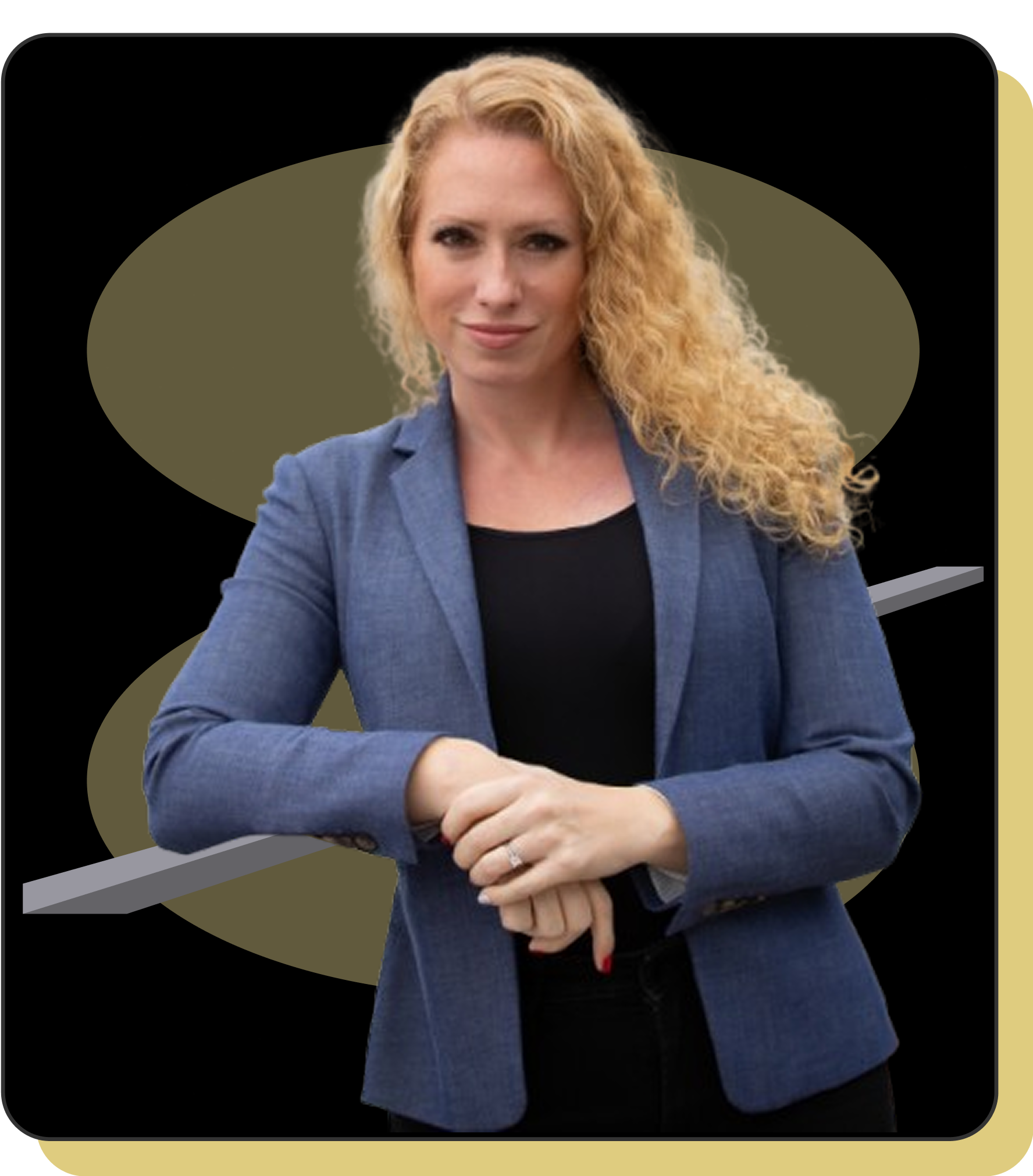
Rebecca Olson leads the team at AmCham Oman, the official affiliate of the U.S. Chamber of Commerce in Oman. Originally from Upstate New York, Rebecca has lived in Muscat since 2013 and brings more than 20 years of international experience in nonprofit, business, and communications leadership.
Since joining AmCham Oman in 2017, Rebecca has helped grow the organization into Oman’s most active business networking platform, more than doubling its membership and events. Promoted to CEO in 2023, she has expanded AmCham Oman’s trade and investment services, launched new initiatives such as the Export Compass and Gateway Oman programs, and strengthened partnerships with both the private sector and government entities. Under her leadership, AmCham Oman now plays a central role in connecting Omani and U.S. companies, facilitating joint ventures, and leveraging the U.S.–Oman Free Trade Agreement.
Rebecca is passionate about making Oman an easier place to do business and amplifying the role of AmCham Oman members in the country’s economic diversification. Beyond her work, she enjoys traveling, promoting literacy, and exploring Oman with her husband and three boys.
Read more Thought leadership articles at Five Fundamentals of Holistic Self-Nourishment: Staying nourished and grounded in a year of movement, passion and momentum