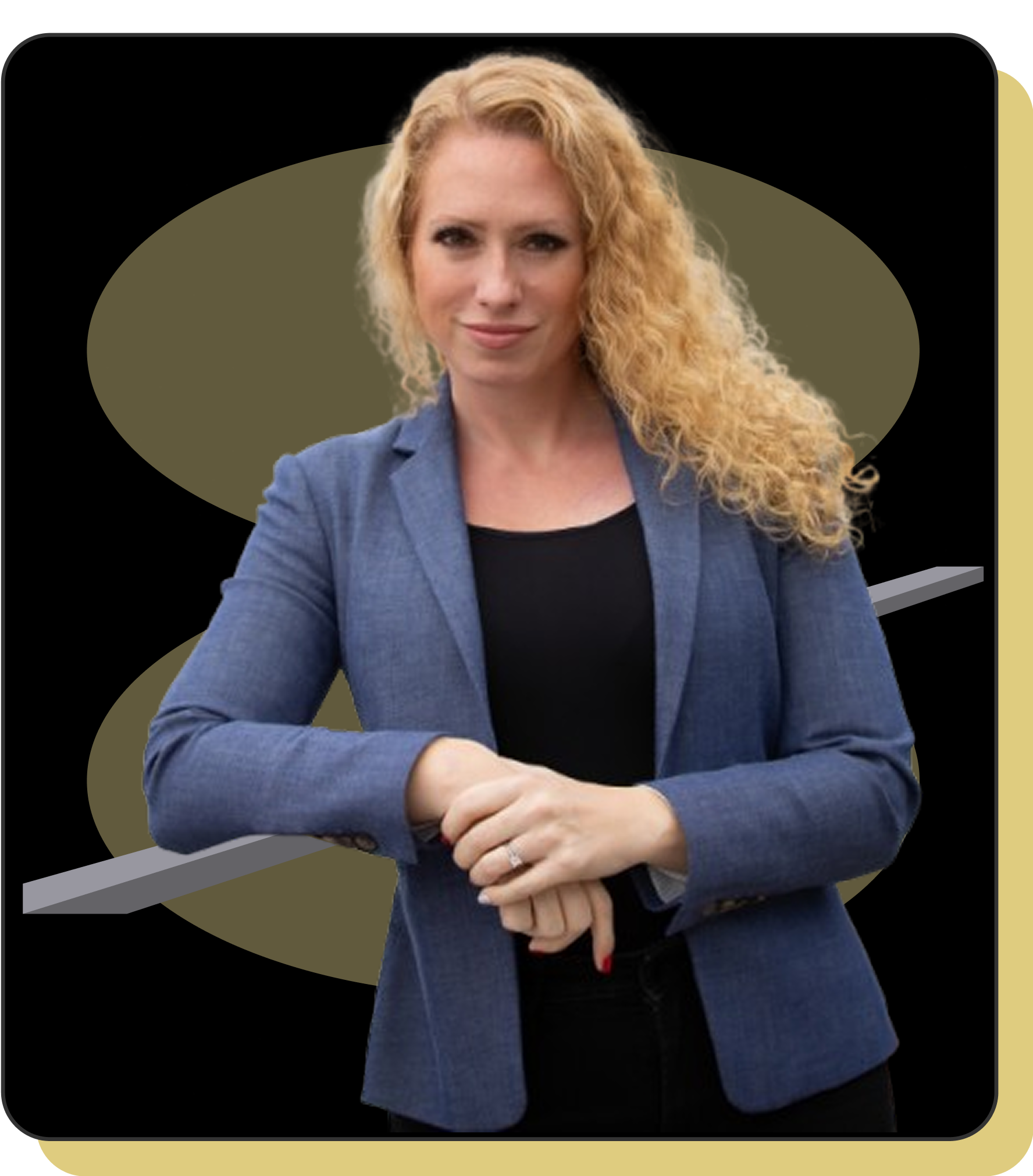

By Kate Enters
For much of the twentieth century, the traditional gallery served as the primary meeting point between artists and the public. The so-called “white cube”—the clean, quiet gallery space designed to isolate artworks from the distractions of the outside world—became the dominant model for exhibiting contemporary art.
Yet over the past decade, I’ve seen many artists begin to question whether this model alone is enough to sustain meaningful relationships between art and society.
Across the contemporary art world, artists are increasingly experimenting with alternative ways of presenting their work and connecting with audiences. Pop-up exhibitions, artist-led networks, digital platforms, and site-specific installations in unexpected locations are reshaping how art circulates. These approaches not only offer greater independence for artists, but they also make art more accessible to communities who may rarely step inside a conventional gallery.
My own experience founding ArtCan in 2013 emerged directly from this changing landscape. What began as a collaborative exhibition initiative in London has grown into a global network of artists working across more than two dozen countries. Our aim has always been simple: to support artists by creating opportunities, facilitating exhibitions, and building professional networks that operate alongside—and sometimes beyond—the conventional commercial gallery system.
The Changing Role of the Gallery
Galleries remain an essential part of the art ecosystem. They provide professional representation, connect artists with collectors, and offer curated environments where artworks can be experienced under thoughtful conditions.
But the traditional gallery model can also be restrictive. Exhibition opportunities are limited, competition is intense, and many emerging and mid-career artists struggle to gain visibility.
What I often hear from artists is a sense of disorientation after leaving art school. The supportive community of peers, tutors, and exhibition opportunities that once surrounded them disappears almost overnight. Without that infrastructure, sustaining a creative practice can feel unexpectedly isolating.
Being an artist can be very lonely. You create largely on your own, and historically the only time you might see other artists or audiences is at an exhibition opening.
That realisation was one of the motivations behind establishing ArtCan. Rather than competing for a small number of opportunities, artists within the network collaborate—organising exhibitions together, sharing knowledge, and supporting one another professionally.
Art in Unexpected Places
One of the most exciting shifts in contemporary art has been the exploration of alternative exhibition spaces. Increasingly, artists are presenting work in places that might once have seemed unlikely venues for art: vacant retail spaces, historic buildings, workplaces, public environments, and temporary pop-up sites.
These settings create a different relationship between art and audience. Instead of entering a specialised cultural space, viewers encounter artworks within everyday environments, often leading to more spontaneous and inclusive engagement.
At ArtCan we’ve embraced this flexibility as part of our ethos. While we do organise exhibitions in established galleries, we are equally interested in unconventional venues and collaborative projects that allow art to exist in new contexts.
Our guiding philosophy is straightforward: the space matters less than the opportunity to create meaningful artistic encounters.
As I often say, give us a space and we will make something happen.
Collaboration as a Creative Model
Another defining feature of this shift is the growing emphasis on collaboration. Traditional art careers tend to emphasise individual achievement, yet artist-led networks demonstrate that collective structures can offer a more sustainable and enriching model.
Through collaborative exhibitions and shared resources, artists can expand their reach far beyond what might be possible individually. Networks also create dialogue between practitioners working in different disciplines and cultural contexts, encouraging experimentation and the cross-pollination of ideas.
For ArtCan, this collaborative spirit has been central to our development. What began as a single exhibition has grown into an international network that hosts exhibitions, mentoring initiatives, online events, and professional development opportunities for artists at many stages of their careers.
Digital platforms have also amplified these possibilities. Virtual exhibitions, online portfolios, and social media allow artists to reach audiences worldwide without the logistical limitations of physical space. While digital presentation can never fully replace the experience of encountering artworks in person, it has become a powerful complement that expands accessibility.
Redefining Audience Engagement
Perhaps the most meaningful outcome of these changes is the evolving relationship between artists and audiences. By stepping beyond the traditional gallery system, artists are finding new ways to connect with communities and invite participation.
Public installations, site-specific projects, and interactive works encourage viewers to engage with art in more immediate and personal ways. In some cases, the boundaries between creator and audience become more fluid, with projects built around conversation, collaboration, or shared experiences.
This reflects a broader shift in cultural expectations. Today’s audiences often look for art that is accessible, engaging, and embedded within everyday life rather than confined solely to specialist institutions.
Artist-led initiatives and networks respond directly to that desire.
A More Flexible Future for Art
The growing diversity of exhibition models does not signal the end of traditional galleries. Rather, it points toward a more flexible and pluralistic art ecosystem.
Galleries, museums, artist-led organisations, and digital platforms are all becoming part of a wider network through which art can circulate.
From my perspective, organisations like ArtCan demonstrate that artists themselves can play an active role in shaping this evolving landscape. By building communities, experimenting with venues, and embracing collaboration, we can create meaningful artistic engagement without relying solely on established institutional structures.
In doing so, the definition of where—and how—art can exist continues to expand.
The “white cube” gallery still has an important place. But today it is just one of many stages on which art can meet its audience.
Read more: Why India’s AI Revolution Will Be Spoken, Not Typed