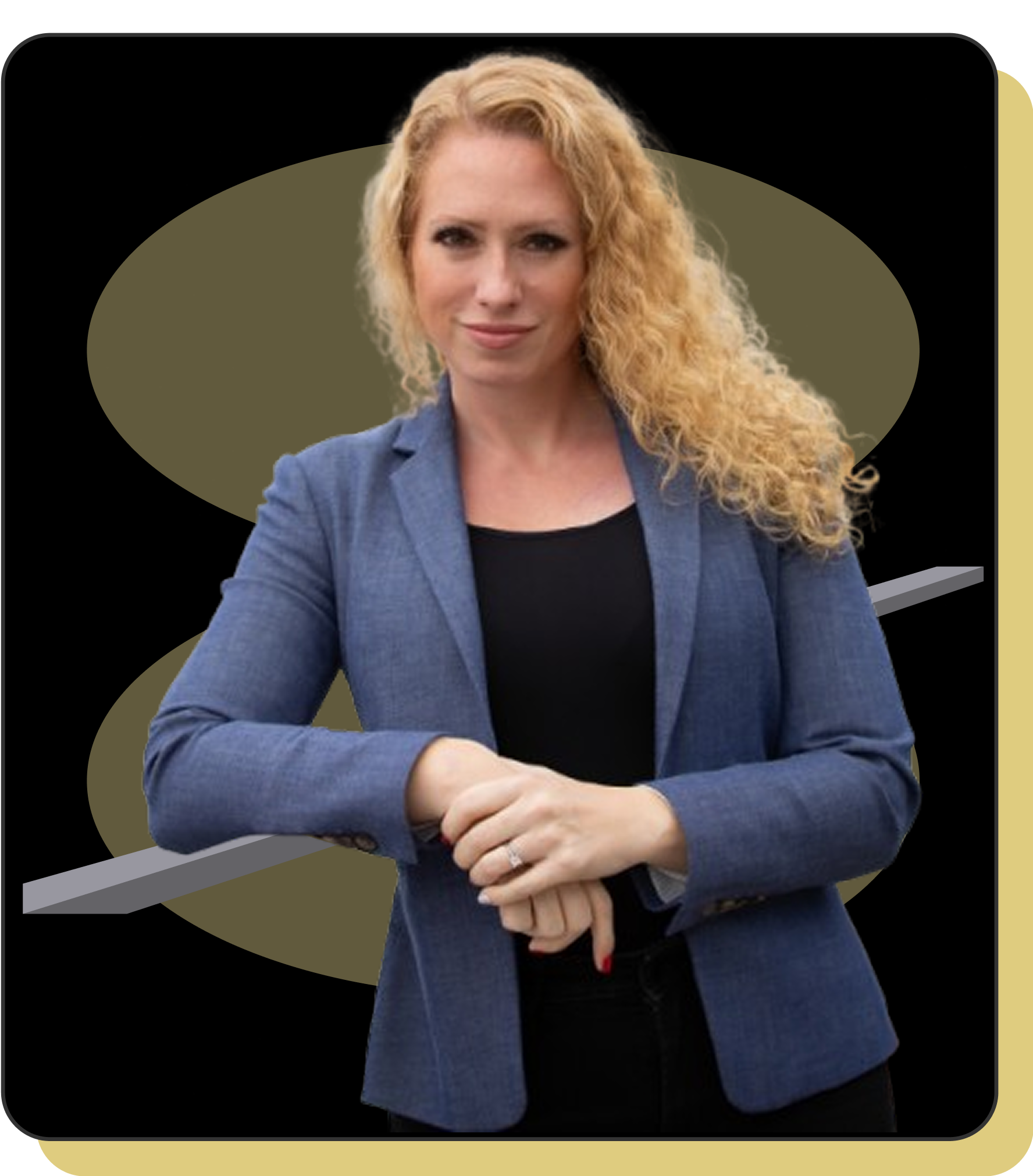


By Caitlin C. Regan, Ed.S, LPC, LMHC, NCC
As an adjunct professor a question I receive often from my interns is “How do you self disclose appropriately” and it is a valid question, one many licensed practitioners struggle with. I know many licensed clinicians who will not participate in self disclosure at all due to fear of over disclosing or stepping over boundaries, yet it is a useful tool in an ethical practice. I have had many clients comment that self disclosure, or as they call it, “Being human with me” is a reason they enjoy working with me. So, how does one do so in an ethical and useful manner? I have rules around self disclosure, that I know many other clinicians who use self disclosure agree to be successful and within appropriate boundaries.
First, why are you disclosing? Is it for the benefit of the client and their emotional state or in response to your own emotional state. The first being acceptable and the latter being a way that could lead to crossing of boundaries. When I choose to self disclose I do it for the benefit of the client and not my own need to share a similar experience. This connects to my second rule, do not disclose current struggles or emotional issues. When I disclose, I share what has already happened as a tool to help clients see they too can overcome or that they are not alone or ‘crazy’ for their experience. I never disclose something in the time I am going through it. When I was diagnosed with Cancer, I happened to have a client on my case load at the same time that was going through Cancer treatment. Part of me wanted to share, connect in this resonation with the client, but in the end it would not have been in benefit for the client, but for my own emotions. Why, because it was not my place to put my current burden on a client who then too would have worried about my treatment. So, I disclosed it to my supervisor at the time and allowed the supervisor to decide if this client should remain on my caseload. Disclosure should not be about the clinicians need to resonate with the client but rather the use of previous experiences to support and guide our clients and build the therapeutic rapport. If we disclose and it puts us in a place of friendship rather than clinician, then it is not being used effectively and ethically. Again, I do believe self disclosure is a useful tool in guiding and building therapeutic relationships, but it should always be with the goal of helping the client not easing our own emotions that can come up in sessions.
“How do you keep clients from wanting to know more and more and make you a friend” is another question I have often received as a professor and another valid one. The answer is to do it in small ways at first and see how the client responds. What I mean by this is to test if the client can handle and use self disclosure as a tool or if they use it as a reason to cross boundaries. Let me provide an example. If I have a client who is struggling with accepting their diagnosis, I will share how it was difficult in the beginning for me too. I am published on what it is to livw with Bipolar II disorder; there is no reason for me to hide what is already all over the internet, but I do not give specific and numerous details about what I went through. Some clients, ones who I know can use my self disclosure in an appropriate way, will feel gratitude knowing they are not alone in feeling this way and go on to express more about what they are struggling with in the rest of the session. However, when a client wants to stop their sharing to know more and more about what I went through it is a signal that lets me know self disclosure may not be an effective tool with this client and I redirect them to focusing on themselves.
Self-disclosure should be a tool to aid clients in feeling safe and understood that then allows them to further express and explore, it is not a signal for clients to flip the session and want to make it a coffee date with their friend. Some clients will not recognize this boundary, so it is our job as a clinician to recognize it and change direction. A client’s reaction to the first few disclosures will tell you if they take it to go further into their own therapeutic journey or if they take it as a sign to think of therapy as a friendship. Being able to see those signs is important and takes time and experience. As clinicians it is okay to take time with exploring the tool of self-disclosure and what it will look like for you. Each clinician will develop their own style and
that is okay. That being said it should always be for the benefit of the client and not the benefit of self.
I do want to make it clear, self disclosure is a useful tool and a way to build the therapeutic relationship. I have had many of my own therapists along the way and those that did a little of self disclosure I always felt safer with in sessions. When we sit too far behind the desk and in the psych books we remove the human aspect from therapy. Allowing clients to see a glimpse of us as emotional humans can aid clients in allowing their own self to express and fully engage in sessions. As I said, each therapist has to decide for themselves what disclosure looks like, but using a bit can help clients see you too are human and can understand the impact of their emotions. Finding a balance of what to share and what not to share is important, but I do think giving a glimpse of self and one’s own mental health journey can go a long way in the road of our client’s healthy journey. So do not be afraid of self disclosure, but rather hone the skill as we hone any of our skills in practice and help clients feel safe and understood, more than from what we learn in our text books.
About the Author
Caitlin Regan is a Licensed Professional Counselor (NJ), Licensed Mental Health Counselor (FL), the founder of Caitlin’s Counseling Corner Caitlin’s Counseling Center and an adjunct professor at Seton Hall University. She has a M.A. in School Counseling and an Ed.S in Professional Counseling. She is a certified Accelerated Resolution Therapy therapist, and trained trauma specialist. She has been living with a mental health diagnosis since her teen years and living successfully for eight years now. She has over 15 years of experience, between teaching and counseling, of helping those with mental health and addiction disorders and has been professionally multiple times. Through clinical work, writing, and community advocacy, she empowers individuals and families while developing a nonprofit mental health community center in Monmouth County, to expand access to care for underserved populations. Follow her at caitlinscounselingcorner on Instagram and YoutTube channel or view her website caitlinscounselingcorner.org to reach out for further information on mental health and social justice.
Read more: Beyond the Beauty Chair: Building a Successful Beauty Brand