

According to the most recent figures, New Zealand’s economy contracted in the first quarter, sending the country into recession.
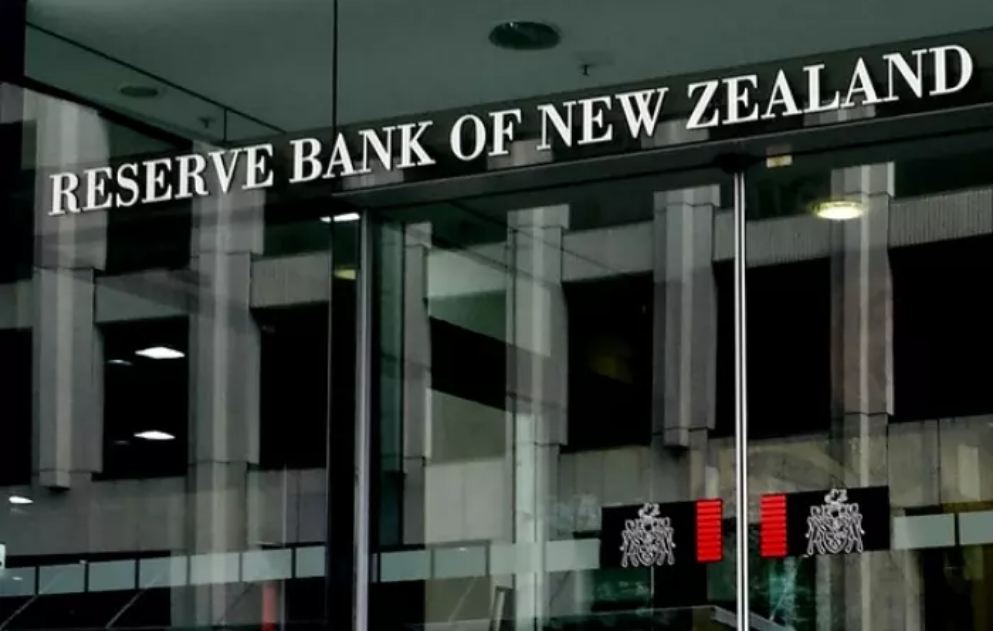
After a decline of 0.7% at the end of 2022, the GDP shrank by 0.1% in the first quarter of 2023. Since October 2021, the Reserve Bank of New Zealand (RBNZ) has dramatically increased rates. After the central bank of New Zealand aggressively increased interest rates to a 14-year high, the country’s economy entered a recession. According to official data, its gross domestic product (GDP) decreased by 0.1% in the first three months of the year. The economy is now in a “technical recession” as a result of it, which came after a 0.7% decline in the previous quarter. Grant Robertson, the minister of finance for the nation, said that the recession was “not a surprise”.
Following the pandemic, New Zealand was among the first nations to begin raising interest rates, and it has done so faster than the US Federal Reserve. The RBNZ raised its benchmark interest rate to 5.5% last month.
As mortgage payments and the cost of other loans rise, many New Zealanders who were already dealing with rising prices are also feeling the effects of increased rates.
“Interest rates are crippling,” said David Jordan, a web engineer based in Auckland, to the BBC.
“I have seen many job losses in my industry as start-ups try to save money, which has caused people to look outside the country for remote work,” he added.
To contain price increases brought on by economies opening up following the Covid lockdowns, central banks all over the world raised borrowing costs.
The Ukraine war’s increased cost of everything, including food and petrol, contributed to inflation as well.
In the first three months of this year, teachers’ strikes, Cyclones Hale and Gabrielle, and other events all affected New Zealand’s economy.
“The adverse weather events caused by the cyclones contributed to falls in horticulture and transport support services, as well as disrupted education services,” Jason Attewell, economic and environmental insights general manager at Statistics New Zealand said in a statement.
A technical recession is characterized by an economy that contracts for three consecutive quarters, or months.
The RBNZ had before hinted that it had no plans to raise interest rates. The decrease strengthens predictions that the central bank won’t boost interest rates again anytime soon.