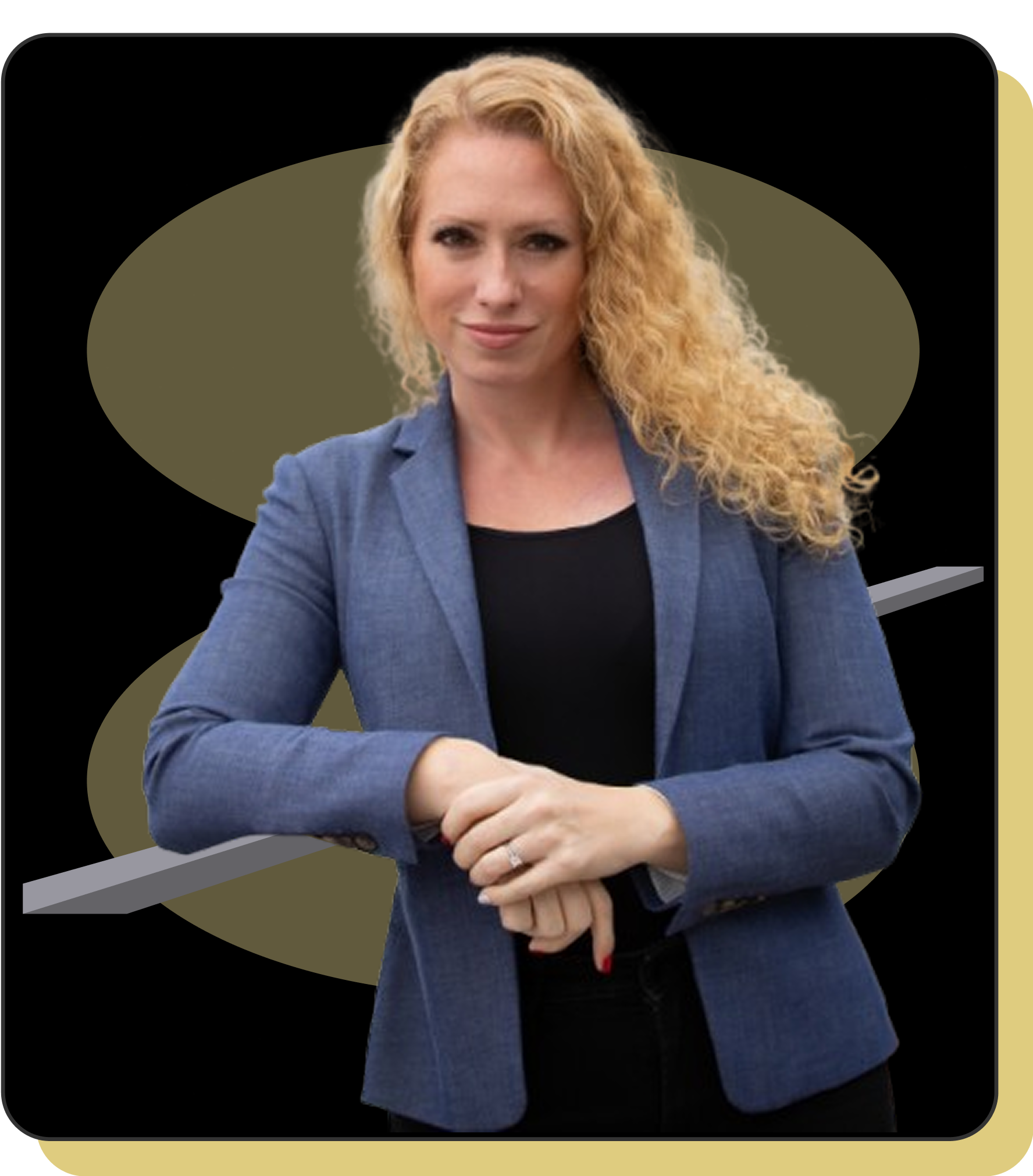

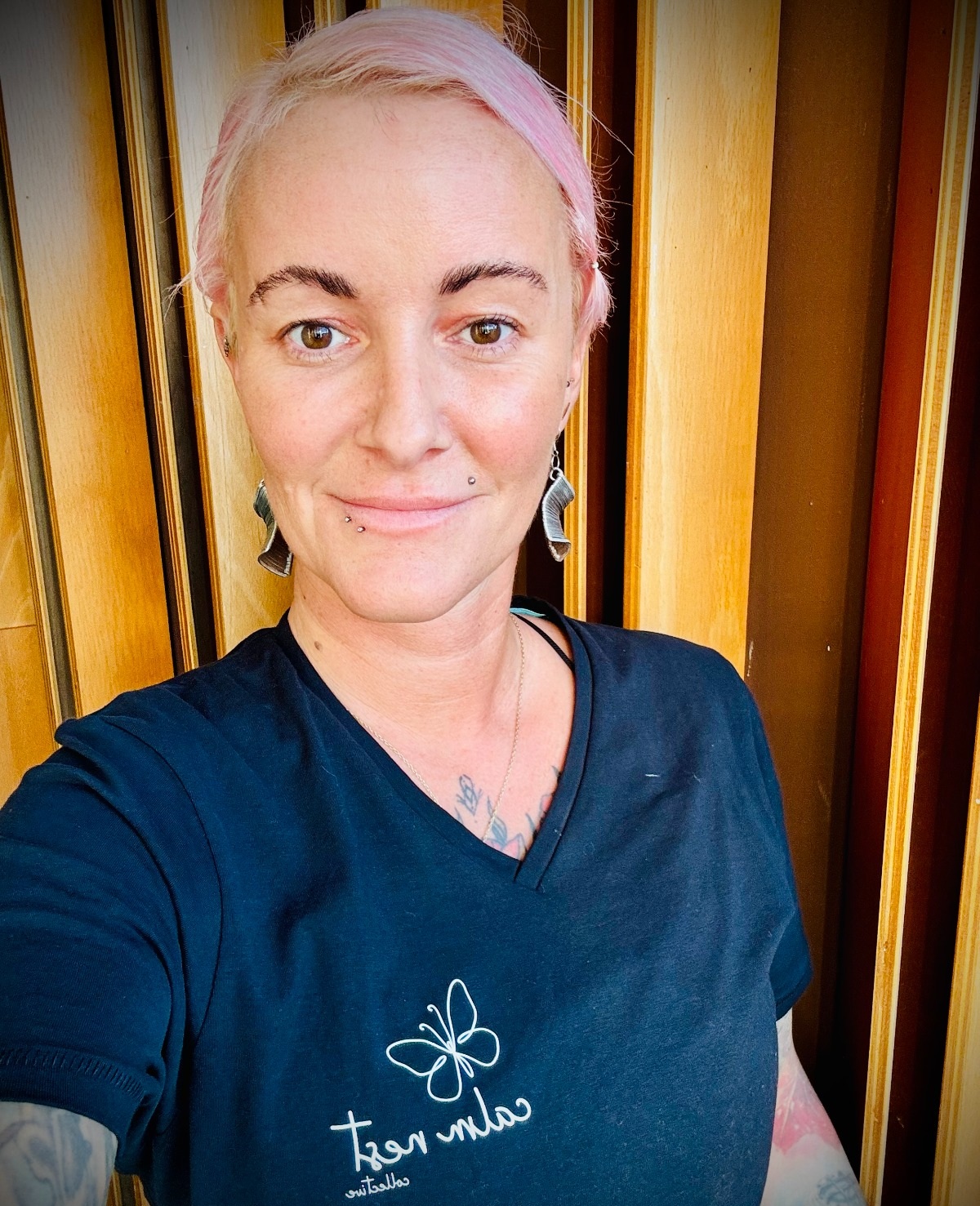
By Nika Brunet Milunovic, Founder, Calm Nest Collective
I have spent over a decade working in events. Festivals, conferences, live production, the kind of environments that are loud, fast, relentless, and brilliantly chaotic. I loved it. I still do.
But somewhere along the way, I started noticing something that nobody was talking about. The number of people, crew, staff, attendees, who were quietly struggling. Not because they weren’t capable. Not because they didn’t care. But because the environments we were building weren’t built for them.
And it is why I founded Calm Nest Collective.
We Are Designing for the Wrong Version of a Person
Here is the uncomfortable truth: most workplaces, venues, and events are designed around a version of a human being that represents a minority of actual humans. They assume everyone processes sensory information the same way. That everyone thrives in open, noisy, brightly lit spaces. That everyone communicates, focuses, and recharges in the same way.
They don’t. We don’t.
Around one in five people is neurodivergent. One in four will experience a mental health challenge in any given year. These are not edge cases. These are the people sitting in your meetings, running your teams, and attending your events. And many of them have spent years masking, compensating, and pushing through, not because they are fine, but because the alternative felt too risky.
As leaders, that is on us.
What I Have Seen on the Ground
Working across festivals and corporate environments, I have seen what happens when we get this wrong and what becomes possible when we get it right.
I have watched crew members burn out mid-event not because the work was too hard, but because there was nowhere to decompress between shifts. In the events industry, we celebrate resilience. We wear exhaustion like a badge of honour. “The show must go on” is practically a founding principle and while there is something beautiful about that commitment, it has also created a culture where asking for help feels like weakness, and stepping back feels like failure. The people most at risk are often the most dedicated ones. The ones who will push through every warning sign because they care too much to stop.
I have seen attendees leave conferences early, not because the content wasn’t valuable, but because the sensory environment was simply too much. Crowded registration halls, relentless background noise, no clear quiet spaces, no gentle on-ramp into the day. For a neurodivergent person, or someone managing anxiety, that experience does not just feel uncomfortable, it can feel truly impossible to navigate.
I have spoken to neurodivergent professionals who are exceptional at their jobs but have quietly started turning down opportunities because they cannot predict whether the environment will support them or break them. That is an enormous loss, for them, and for every organisation that never gets to benefit from what they bring.
And I have also seen the flip side. What happens when you create a quiet room at a busy conference. When you give people a genuinely calm corner to retreat to. When a team leader says openly, “I need to step away for ten minutes” and means it. The shift is immediate. People stay longer. They contribute more. They come back.
What Neuroinclusive Leadership Actually Requires
It does not require a large budget. It does not require a specialist team. It requires a genuine decision that your environment is going to work for people, all people, not just the ones who have learned to adapt.
In practice, that means a few things:
Look at your physical spaces with fresh eyes. Is there somewhere quiet? Is the lighting adjustable? Is there somewhere a person can go if they are overwhelmed, without having to explain themselves to get there? These are basic human needs, not special accommodations. And the good news is that spaces designed for sensory comfort tend to benefit everyone, the introverted team member, the colleague with a migraine, the person who just needs five minutes to think clearly before a big presentation.
Change how you communicate. Send agendas before meetings. Follow up with written notes. Give people more than one way to contribute, not everyone thinks best out loud, in real time, under pressure. These adjustments cost nothing and remove barriers that are preventing some of your best people from showing up fully.
Reconsider how you run your events and gatherings. Whether it is a company away-day, a client conference, or a team standup, think about the sensory and cognitive load you are asking people to carry. Build in proper breaks. Create spaces where people can step away without stigma. Offer flexibility in how people participate. These are not radical ideas. They are just good design.
Be honest about your own experience. I have found that nothing opens up a conversation about mental health and neurodiversity faster than a leader who is willing to go first. You do not have to share everything. But when you normalise struggle, when you talk about needing rest, about finding certain environments hard, about the days when the noise is just too much, you give everyone around you permission to be honest too.
The Question I Ask Every Leader
When I work with organisations, I always ask the same question early on: “What would it feel like to work here if you were having the hardest week of your life?”
The answers are usually telling.
Because the goal is not to create a soft environment where nothing is expected of anyone. The goal is to create an environment where people can actually do the work, without spending a significant portion of their energy just surviving the space they’re in.
Neuroinclusion, done properly, does not lower the bar. It removes the unnecessary obstacles between people and their best work. And that is good for everyone, neurodivergent or not, struggling or thriving.
There is also a clear business case that leaders cannot afford to ignore. Organisations that invest in neuroinclusive environments report lower absenteeism, higher retention, and stronger team performance. When people feel genuinely supported, not just in theory but in the daily reality of their environment, they bring more of themselves to their work. That discretionary effort, that willingness to go beyond the minimum, is not something you can mandate. It is something you earn, by creating the conditions that make it possible.
The leaders and organisations who understand this will not just build more inclusive cultures. They will build more resilient, more creative, and more human ones.
That is the work. And it starts with deciding it matters.
About Author:
Nika Brunet Milunovic is the founder of Calm Nest Collective, a consultancy and design studio specialising in inclusive event design and sensory-friendly, neuroinclusive spaces for events, workplaces, and public venues. She is a social worker, Mental Health First Aider, PhD researcher, and host of the Pink Nest Podcast.
Reach her at:
– https://www.linkedin.com/in/nikabrunet/
– https://www.instagram.com/thatinclusiongirl/
Read more on thought leadership at : Why Taking Indian Art Forms to the Global Centre Stage is No Longer Optional