
In a world driven by rapid globalization, cultural identity is often the first casualty. Yet, paradoxically, it is also becoming one of the most powerful differentiators. As global markets saturate with mass-produced sameness, there is a growing appetite for authenticity, heritage, and storytelling—areas where Indian art forms hold unmatched depth.
The question is no longer whether Indian art deserves a global platform. The real question is: why haven’t we taken it there at scale yet?
India’s Cultural Capital: An Untapped Global Advantage
India is home to one of the richest artistic ecosystems in the world—from intricate handwoven textiles to centuries-old crafts passed down through generations. Art forms like Banarasi weaving, Kalamkari, and Chikankari are not just products; they are living narratives of history, community, and craftsmanship.
Yet, despite this wealth, India’s share in the global luxury and cultural goods market remains disproportionately low. The gap is not in quality—it lies in positioning, storytelling, and accessibility.
The Shift in Global Consumer Behavior
Today’s global consumer is evolving. There is a visible shift from fast fashion to mindful consumption. Buyers are asking:
- Who made this?
- What does it represent?
- Is it sustainable?
Indian art forms naturally answer all three.
Handcrafted products carry human stories. They embody sustainability through low-impact processes. And most importantly, they offer a sense of individuality that machine-made goods cannot replicate.
Forward-looking platforms like Urbane Essence are beginning to bridge this gap—curating heritage textiles not just as products, but as stories designed for a global audience.
Economic Empowerment Through Global Exposure
Taking Indian art forms to international markets is not merely about visibility—it directly impacts livelihoods.
Millions of artisans across India depend on traditional crafts. However, limited market access often forces them into cycles of underpayment or even abandonment of their craft.
Global exposure can:
- Increase earning potential for artisans
- Create sustainable demand
- Encourage younger generations to continue traditional practices
In many cases, when artisans are connected directly to global consumers through digital-first platforms, the value chain becomes more equitable—ensuring that craftsmanship is rewarded, not commoditized.
From ‘Ethnic’ to ‘Global Luxury’
One of the biggest challenges Indian art faces is perception.
Globally, Indian products are often categorized as “ethnic” rather than “luxury.” This limits pricing power and market positioning.
To truly succeed on the global stage, Indian art must be:
- Rebranded as premium and timeless
- Contextualized for modern lifestyles
- Integrated into global fashion and design narratives
A handwoven saree, for instance, is not just traditional attire—it is wearable art. When presented with the right narrative and design sensibility, it holds the same aspirational value as global luxury products.
The Role of New-Age Platforms and Founders
The responsibility of taking Indian art global no longer lies solely with governments or legacy institutions. A new generation of founders and platforms is stepping in to bridge this gap.
By combining:
- Digital accessibility
- Strong brand storytelling
- Global logistics
these platforms are transforming how Indian art is perceived and consumed worldwide.
They are not just selling products—they are exporting culture, one story at a time.
A Moment India Cannot Afford to Miss
We are at a unique inflection point:
- Global consumers are seeking authenticity
- Digital platforms have removed geographical barriers
- There is renewed pride in cultural identity
If leveraged correctly, Indian art can move from niche appreciation to mainstream global demand.
But this requires intent—strategic, sustained, and collaborative.
Culture as a Competitive Advantage
Taking Indian art forms to the global centre stage is not just about preservation—it is about progression.
It is about recognizing that culture is not a relic of the past, but a powerful asset for the future.
For India, this is an opportunity to lead—not just as a manufacturing hub, but as a cultural powerhouse.
Because when Indian art travels, it doesn’t just carry products—it carries stories, identities, and a legacy that deserves to be seen, valued, and celebrated across the world.
WRITTEN BY :
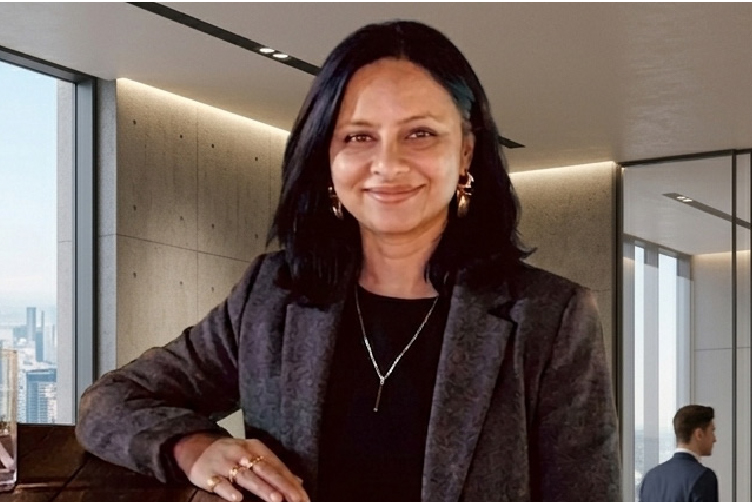
Prerna Sinha,
Founder, Urbane Essence
www.myurbane.com
Read more on thought leadership at The Missing Link in the Markets